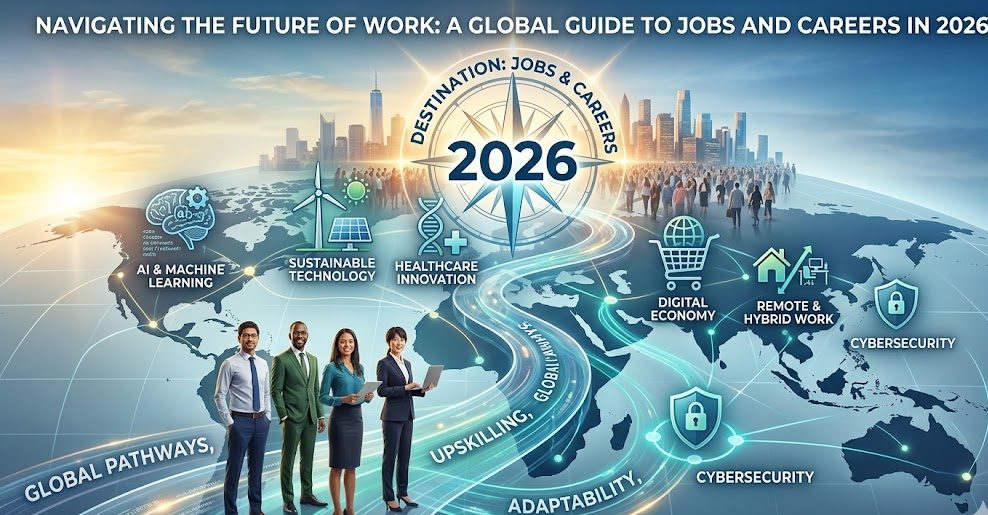

The traditional concept of a “job for life” is officially over. In 2026, the global workforce is shifting toward the Gig Economy—a labor market characterized by short-term contracts and freelance work as opposed to permanent jobs. Whether you are looking to escape the corporate grind or simply want to add an extra $1,000 to your monthly income, freelancing offers unprecedented freedom and financial potential.
This comprehensive guide explores how to build a successful freelance career, the top platforms for 2026, and the government schemes supporting independent workers worldwide.
1. The Explosion of the Gig Economy
By 2026, it is estimated that over 50% of the US workforce and 40% of the global workforce will participate in some form of freelance work.
- Why the shift? Technology has made it possible to collaborate across time zones. Companies now prefer hiring “on-demand” specialists for specific projects rather than keeping full-time staff for every department.
- The “Side-Hustle” Culture: Even people with full-time jobs are starting side hustles in consulting, content creation, or e-commerce to protect themselves against inflation.
2. High-Demand Freelance Skills in 2026
Not all freelance skills are equal. To earn a premium rate, you need to focus on high-value niches:
A. Technical Services
- Full-Stack Development: Building both the front and back ends of websites.
- Blockchain Development: Creating smart contracts for DeFi and NFT projects.
- Cybersecurity Consulting: Helping small businesses protect their data from AI-driven threats.
B. Creative and Marketing Services
- Short-Form Video Editing: Brands are desperate for editors who can create viral TikToks, Reels, and YouTube Shorts.
- SEO Content Strategy: AI can write, but humans are needed to strategize and ensure content ranks on Google.
- UX/UI Design: Designing intuitive interfaces for the thousands of new apps launching every month.
C. Administrative and Professional Services
- Virtual Assistance (VA): High-level VAs who manage complex schedules and project management tools.
- Online Teaching & Coaching: Sharing specialized knowledge (e.g., trading, language, or fitness) with a global audience.
3. Top Freelance Platforms for 2026
While Upwork and Fiverr remain the giants, the market has matured with specialized platforms:
- Toptal: Exclusive for the top 3% of freelance talent (Developers, Designers, Finance Experts).
- Contra: A new, commission-free professional network for the modern independent worker.
- Skyword: Focused on high-end content creators and journalists.
- LinkedIn Services: Leveraging your professional profile to find local and global consulting gigs.
4. Setting Your Rates: The “Value-Based” Pricing Model
The biggest mistake new freelancers make is “trading time for money” (hourly rates).
- The Shift: In 2026, successful freelancers use Value-Based Pricing. Instead of charging $50 per hour to write an article, they charge $500 for the “Business Result” that the article will generate (e.g., traffic and leads).
- Retainers: Aim for monthly retainer contracts. Having 3 clients paying $1,000/month is more stable than hunting for new $100 gigs every day.
5. Government Schemes for Freelancers
As the gig economy grows, governments are introducing new “Social Security” schemes to support independent workers:
- Freelance Visas: Countries like the UAE, Estonia, and Portugal offer specific visas for freelancers to live and work legally with lower tax rates.
- Portable Benefits: Some regions are testing schemes where “Benefits” (Health insurance, Pension) follow the worker from gig to gig, rather than being tied to an employer.
- Small Business Tax Breaks: In many countries, freelancers can register as a “Sole Proprietor” and deduct business expenses (Laptop, Internet, Home Office) from their taxes.
6. Managing the “Freelance Hustle” (The Pros & Cons)
Freelancing isn’t just about working from a laptop on a beach. It requires managing yourself as a business.
- Pros: Total control over your schedule, no office politics, and unlimited earning potential.
- Cons: No paid sick leave, irregular income (the “feast or famine” cycle), and the responsibility of paying your own taxes and insurance.
7. Building Your “Personal Brand”
In 2026, your “Personal Brand” is your resume.
- Niche Down: Don’t be a “Digital Marketer.” Be a “Digital Marketer for Luxury Real Estate.”
- Portfolio Site: Use your WordPress site to showcase case studies and client testimonials.
- Social Proof: Consistently share your expertise on LinkedIn or X (Twitter) to attract “Inbound” leads.
8. Financial Management for Gig Workers
Managing money is the hardest part of being a freelancer.
- The 30% Rule: Always set aside at least 30% of every payment for taxes.
- Emergency Fund: Keep at least 6 months of living expenses in a “buffer” account for slow months.
- Global Payments: Use tools like Wise, Payoneer, or Crypto to receive international payments with minimal fees.
9. The Role of AI in Freelancing
Don’t fear AI; use it to 10X your output.
- Content Creation: Use AI for brainstorming and outlining.
- Coding: Use AI co-pilots to write boilerplate code faster.
- Admin: Use AI to handle your invoicing, scheduling, and basic emails.
- Verdict: The freelancers who survive in 2026 are the ones who use AI to work faster and cheaper than those who don’t.
10. Conclusion: The Freedom Economy
The Gig Economy is more than just a trend; it is the future of work. By developing high-demand skills, building a strong personal brand, and leveraging global platforms, you can create a career that offers both financial security and the freedom to live life on your own terms.
In 2026, the most secure job is the one you create for yourself.