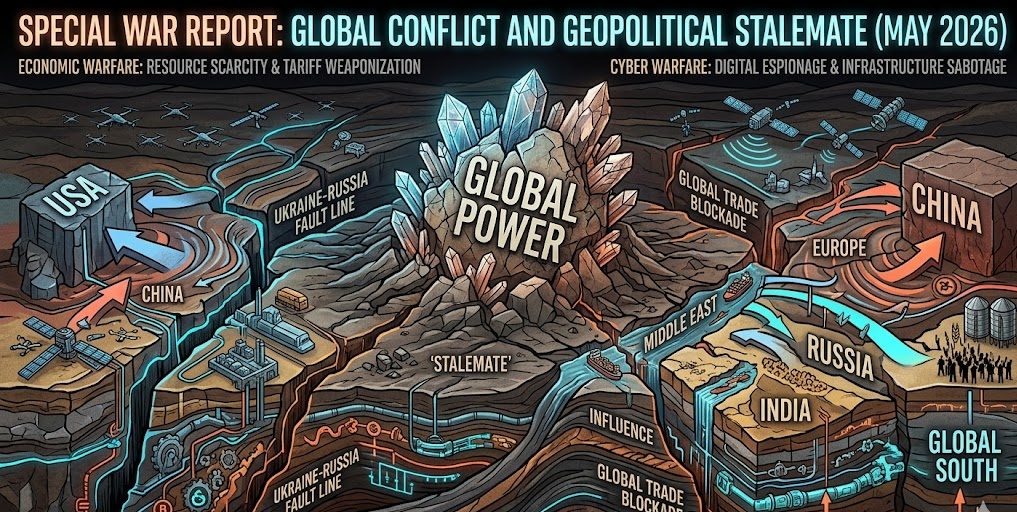
As of May 14, 2026, the world is at a critical juncture. Geopolitical conflicts that began years ago have escalated into high-stakes direct confrontations, while the global economy and technology sectors are grappling with the fallout. This comprehensive news report breaks down the current major conflicts, economic shifts, and future threats.
1. The West Asia Crisis: The US-Israel-Iran War
The most significant news dominating the global stage in May 2026 is the direct military conflict between a US-Israeli combined force and Iran.
- The Catalyst: Tensions reached a boiling point in late February 2026 following a strike on Tehran that killed Iran’s Supreme Leader. This triggered a massive retaliatory response from Iran and its regional allies, including Hezbollah in Lebanon.
- The Current Status: A fragile 10-day ceasefire was recently announced in mid-April to early May, but tensions remain at an all-time high. The Israel Defense Forces (IDF) have established a security buffer zone 8 to 10 kilometers inside southern Lebanon.
- The Hormuz Blockade: Iran has signaled it will no longer allow US warships or weapons to pass through the Strait of Hormuz, threatening the headquarters of the US 5th Fleet in Bahrain. This move has created a massive bottleneck for global energy supplies.
2. The Ukraine-Russia Conflict: The Five-Year Mark
The war in Ukraine has entered its fifth year of full-scale invasion, with neither side showing signs of total exhaustion despite heavy casualties.
- Intensified Drone Warfare: In mid-May 2026, Russia launched one of its largest drone strikes to date, firing nearly 900 drones at Ukraine in a single 24-hour period. Ukrainian air defenses remain under immense pressure, reportedly intercepting over 800 of these threats.
- Strikes Deep Inside Russia: Ukraine has significantly increased the range of its strike capabilities. On May 11, Ukrainian drones successfully hit a Russian gas facility in the Orenburg Oblast, more than 1,500 kilometers from the border, targeting the economic lifelines that fund Russia’s military operations.
- Diplomatic Stalemate: The Kremlin continues to demand that Ukraine withdraw from all of Donbas as a precondition for any peace talks, a demand that Ukraine and its Western allies have flatly rejected as “counter to battlefield reality.”
3. Global Economy: Growth Amidst Divergent Forces
Despite the shadow of major wars, the global economy is showing a strange form of “fragile stability.”
- Growth Projections: The International Monetary Fund (IMF) projects global growth at approximately 3.3% for 2026. However, this growth is highly uneven across different regions.
- The Energy Shock: The blockade of the Strait of Hormuz has kept oil prices volatile. While Russia continues to fulfill energy agreements with partners like India despite external competition, Western economies are facing higher inflationary pressures due to supply chain disruptions.
- Fiscal Pressure: Many nations are dealing with high debt and rising fiscal risks as they attempt to balance military spending with social welfare and infrastructure needs.
4. Technology and Security: AI and Cyber Warfare
In 2026, the “front line” of conflict has expanded into the digital realm.
- AI as a Risk Multiplier: AI is now the primary driver of cybersecurity change. It is being used to strengthen defenses but also to enable hyper-personalized, AI-driven fraud and social engineering attacks.
- Digital Sovereignty: Nations are asserting greater control over cyberspace through stricter data localization rules. 91% of large global organizations have altered their cybersecurity strategies in response to this geopolitical volatility.
- Medical and Infrastructure Targets: Operational technology, including energy networks and medical devices, has become a primary target for state-sponsored cyberattacks, moving the threat from screens to physical infrastructure.
5. Health and Science: The Andes Virus Outbreak
In a disturbing health update, the CDC is currently responding to a deadly outbreak of the Andes virus (a type of hantavirus) on a cruise ship in the Atlantic Ocean as of mid-May 2026.
- The Risk: While the risk to the general public remains low, the virus can lead to Hantavirus Pulmonary Syndrome (HPS), which has a high mortality rate. International public health authorities are monitoring all exposed passengers to prevent a wider spread.
Conclusion: The Future Horizon (2026-2030)
As we look toward the remainder of the decade, the global news cycle will likely be defined by “Fragmented Order.” The competition for resources—particularly critical minerals for the green transition—and the race for AI supremacy will dictate which nations lead the next era. While the threat of “Future War” in the Indo-Pacific remains a primary concern for world leaders, the focus for 2026 is on de-escalating the current hot zones in West Asia and Eastern Europe before they expand into a truly global conflagration.
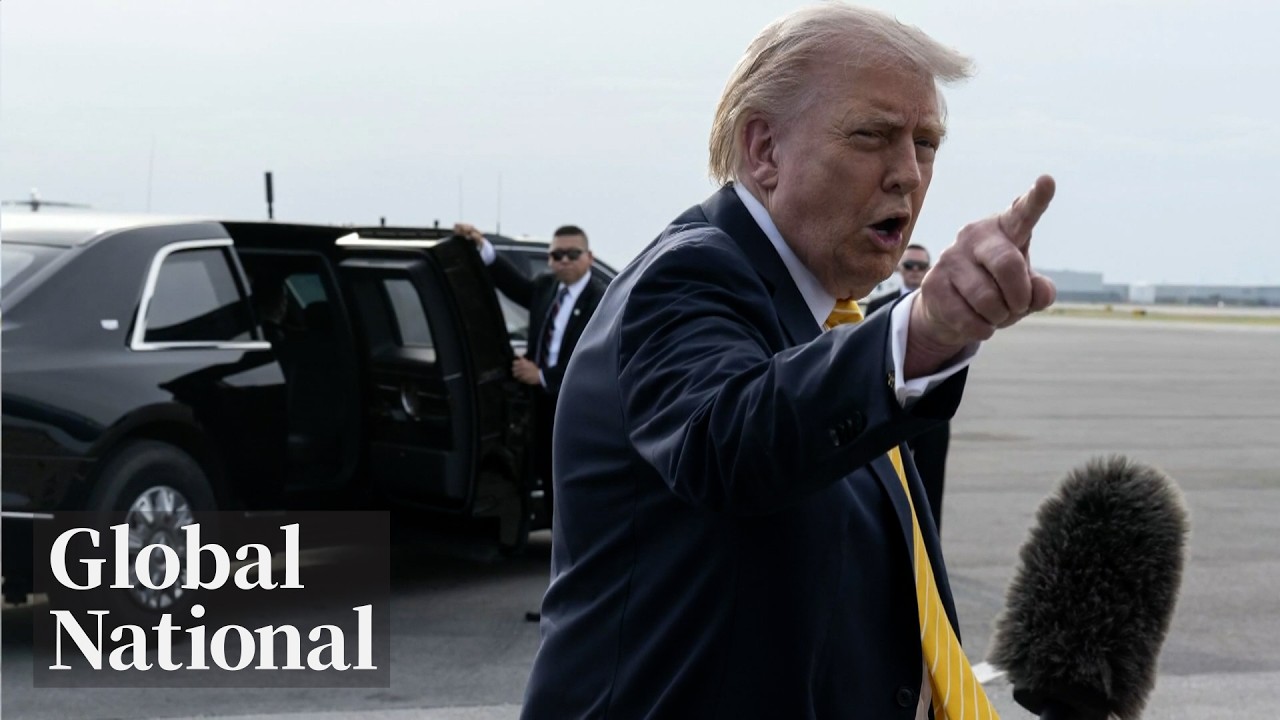
Trump reviews latest Iranian peace proposal
This video provides a critical update on the diplomatic efforts to end the conflict in West Asia and the potential repercussions for global energy markets.
Global National: May 3, 2026 | Trump reviews latest Iranian peace proposal – YouTube

https://youtube.com/watch?v=Bi1bxNKTjc4%3Fhl%3Den-GB%26rel%3D0%26showinfo%3D0%26enablejsapi%3D1%26origin%3Dhttps%253A%252F%252Fgemini.google.com%26widgetid%3D5%26forigin%3Dhttps%253A%252F%252Fgemini.google.com%252Fapp%252F4923a7c503e92cc7%26aoriginsup%3D1%26vf%3D1