
In the modern era, technology is no longer just a tool; it has become an essential extension of our lives. From the moment we wake up until we sleep, we are immersed in a digital ecosystem. But as we move further into 2026, it is crucial to understand the major shifts that are reshaping our world.
1. Artificial Intelligence (AI): The Cognitive Revolution
AI has moved beyond science fiction and into the heart of human productivity. With the rise of advanced generative models, machines are no longer just processing data—they are creating art, code, and complex strategies.
- Generative Evolution: Tools for graphic design and content creation have fundamentally changed the creative industry.
- Workflow Efficiency: Business automation is now capable of increasing operational efficiency by up to 40%.
- Hyper-Personalization: From entertainment recommendations to shopping lists, AI understands human preferences with unprecedented accuracy.
2. Advanced Connectivity: The Era of 6G
While 5G is currently becoming the global standard, the development of 6G is already underway with the goal of creating a seamless “Internet of Everything” (IoE).
- Zero Latency: This level of connectivity is essential for the future of remote robotic surgeries and fully autonomous transportation systems.
- Smart Infrastructure: Future cities will see every element—from traffic signals to waste management—integrated into a real-time internet grid for better urban management.
3. Blockchain and Decentralization
Beyond cryptocurrency, blockchain technology offers a foundation for a more secure and transparent digital world.

- Enhanced Security: By distributing data across thousands of nodes, blockchain makes unauthorized hacking nearly impossible.
- Governance and Supply Chain: The technology is being used to eliminate corruption in voting systems and provide total transparency in global supply chains.
- Smart Contracts: Automated agreements allow parties to transact safely without the need for intermediaries.
4. Sustainable Tech: The Green Frontier
Technology is the most powerful weapon we have against environmental degradation. Innovation in resource management is key to a sustainable future.
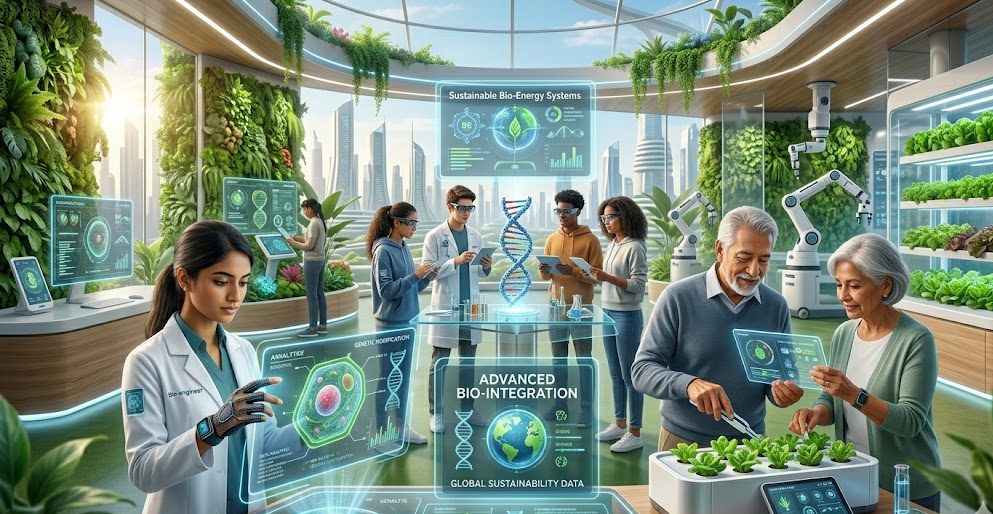
- Innovative Cultivation: Techniques like hydroponics and vertical farming allow for high-yield food production using minimal space and water.
- The EV Shift: The revolution in electric vehicles and advanced battery storage is significantly reducing the global carbon footprint.
5. Challenges: Cybersecurity and Ethics
With great advancement comes significant responsibility. The digital age brings new risks that require constant vigilance.
- Data Privacy: Personal data is the “New Oil,” making its protection a primary concern for individuals and corporations alike.
- The Rise of Deepfakes: AI-generated synthetic media can be used for misinformation, making fact-checking more vital than ever.
- The Digital Divide: There remains a risk that technology could widen the gap between those with access and those without.
Conclusion: Mastering the Machine
Technology is meant to be our partner, not our competitor. While we can build highly advanced systems, they lack the “Human Touch,” empathy, and genuine creativity that define us. To thrive in the coming years, we must learn to be the masters of our technology rather than its servants.
Key Focus Areas for 2026:
- Continuous Upskilling: Mastering new skills like AI prompting and low-code development is essential for professional growth.
- Digital Well-being: Maintaining control over screen time and using technology intentionally is vital for mental health.
- Critical Thinking: Always verify facts and maintain a skeptical eye toward unverified online information.