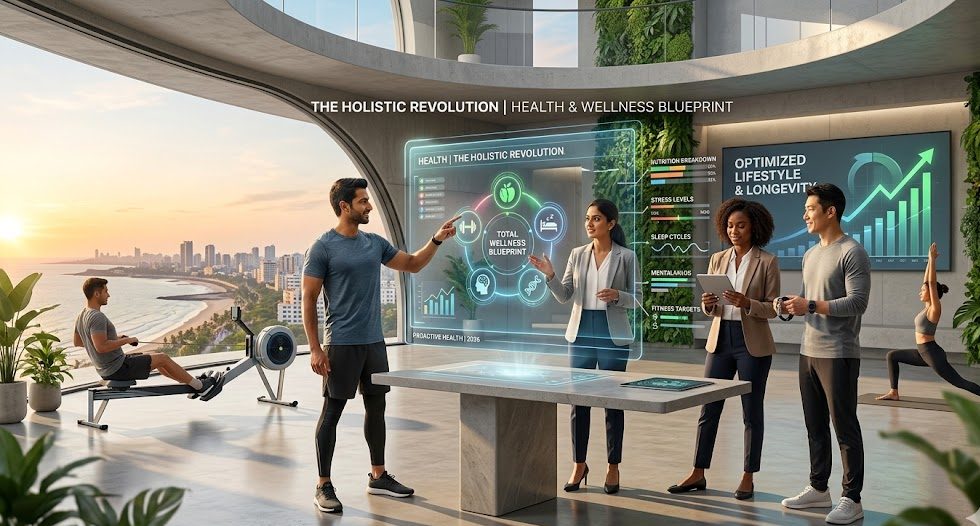
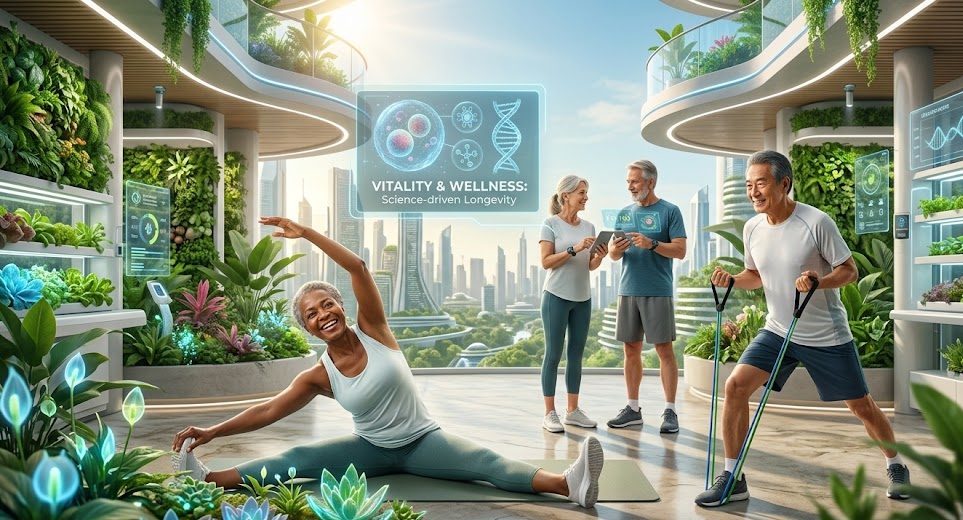
The definition of health is shifting from a focus on “lifespan”—the total years lived—to “healthspan,” which is the period of life spent in good health, free from chronic disease. In 2026, we are witnessing a revolution where advanced technology and fundamental biological wisdom converge to help us live better, not just longer.
1. The Rise of Metabolic Health
Metabolic health is the cornerstone of overall vitality. It affects everything from your energy levels to your risk of long-term illness.
- Glucose Optimization: Monitoring how your body responds to different foods is now a standard practice for maintaining stable energy.
- Insulin Sensitivity: Prioritizing muscle health through consistent movement is the most effective way to manage metabolic function.
- The Fiber Revolution: Increasing intake of diverse plant fibers is essential for supporting the gut microbiome, which acts as the body’s internal pharmacy.
2. Cognitive Performance and Brain Health
In a digital-heavy world, protecting our cognitive function is as important as physical training.
- Neuroplasticity: Engaging in continuous learning—such as mastering a new skill like Flutter or Dart—keeps the brain adaptable and sharp.
- Sleep as a Superpower: Deep sleep is the brain’s primary “cleaning” phase, clearing out metabolic waste and consolidating memory.
- Digital Boundaries: Reducing “Information Overload” and blue light exposure at night is critical for maintaining healthy hormone levels and mental clarity.
3. The Strength-Longevity Connection
Maintaining muscle mass is no longer just for athletes; it is a survival requirement for aging gracefully.
| Focus | Action | Benefit |
|---|---|---|
| Skeletal Muscle | Resistance Training | Protects joints and improves metabolism. |
| Bone Density | Weight-Bearing Exercise | Prevents frailty and ensures independence in later years. |
| Cardiovascular Base | Consistent Walking | Lowers resting heart rate and boosts endurance. |
Export to Sheets

4. Proactive and Personalized Care
The shift toward proactive health means catching small issues before they become major problems.
- Personalized Biomarkers: Tracking blood panels for inflammation and vitamin levels allows for targeted nutrition instead of generic supplements.
- Wearable Insights: Modern devices now provide real-time data on Heart Rate Variability (HRV), which is a key indicator of your body’s recovery and stress levels.
- Environmental Optimization: Focusing on indoor air quality and clean water reduces the cumulative “toxic load” on your cells.
5. The Social and Emotional Pillar
Human connection is a biological necessity. Social isolation has been shown to be as detrimental to health as physical inactivity.
- Community Bonds: Strong social ties and a sense of belonging are consistently linked to a longer, healthier life.
- Purpose-Driven Living: Having a clear “why”—whether it is building a new business or contributing to a community project—boosts resilience and emotional well-being.
- Mindfulness: Daily practices to manage stress help lower cortisol levels, protecting your heart and immune system from chronic inflammation.
Final Thoughts
Achieving peak health in 2026 is about consistency over intensity. It is the result of small, daily decisions—what you eat, how you move, and how you rest—compounding over time. By leveraging modern tools while respecting our biological needs, we can unlock a level of vitality that allows us to pursue our goals with unlimited energy.
Key Priorities for This Week:
- Prioritize Sleep: Aim for 7-9 hours of high-quality rest.
- Increase Movement: Incorporate “movement snacks” throughout your workday.
- Eat for Energy: Choose whole, unprocessed foods to fuel your brain and body.