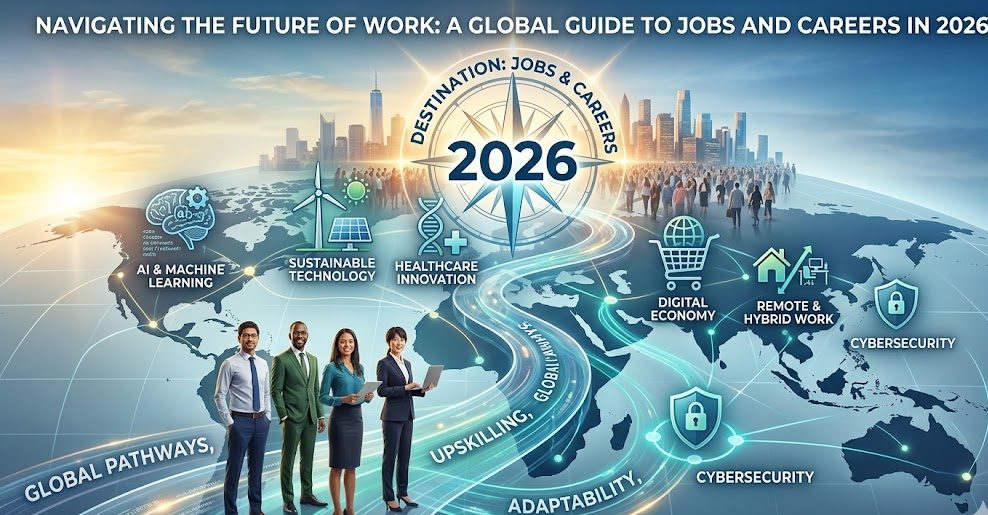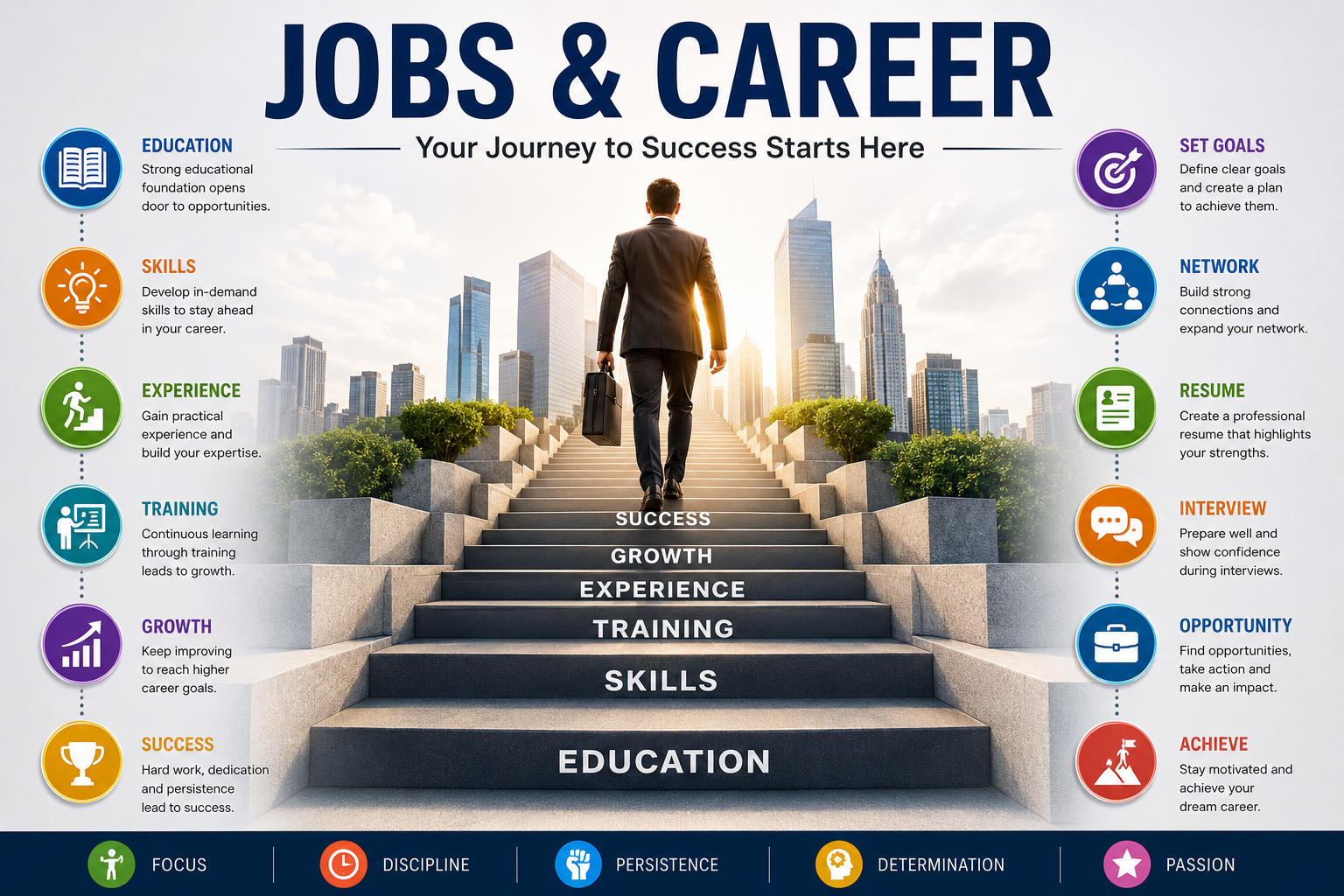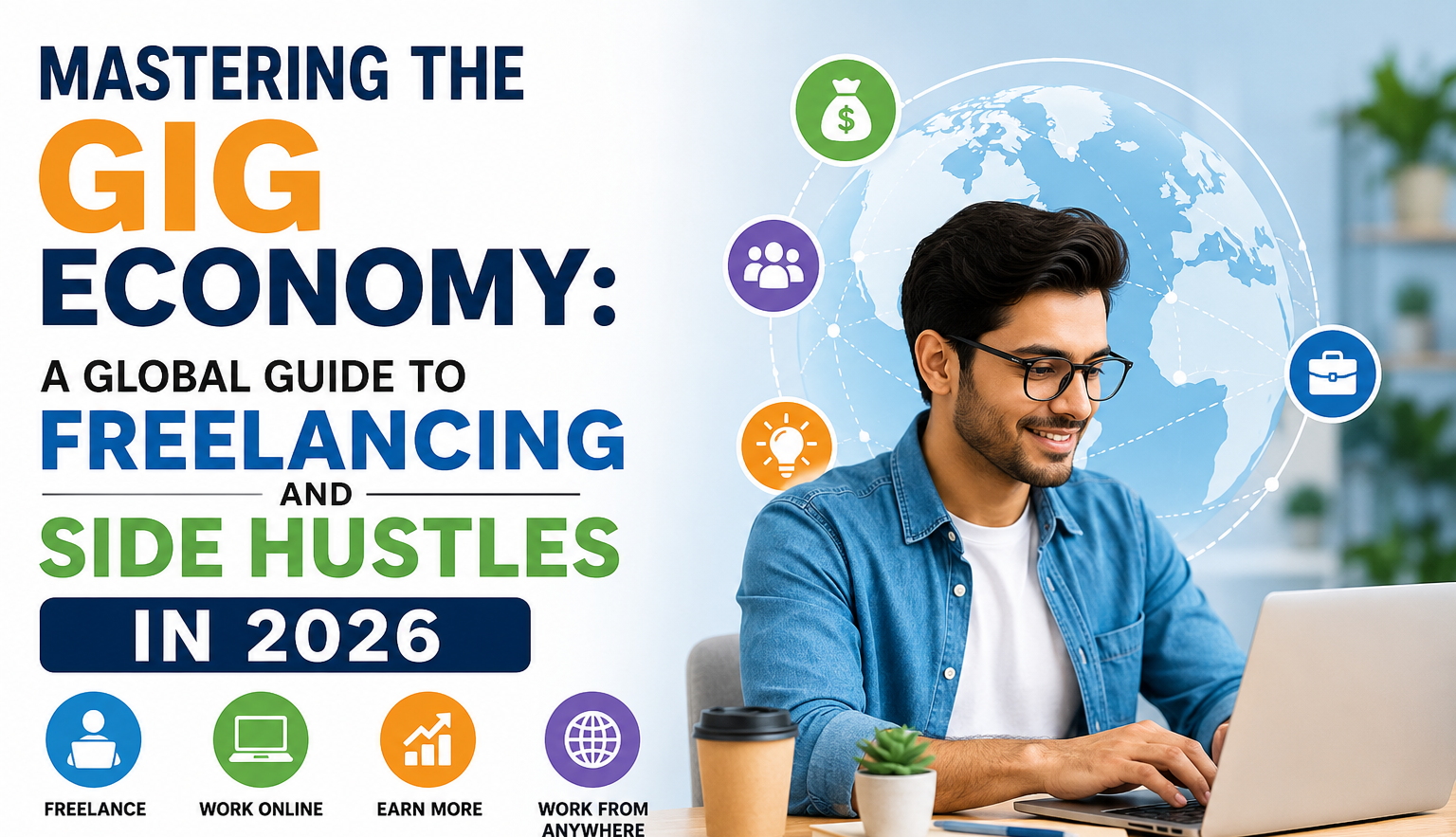
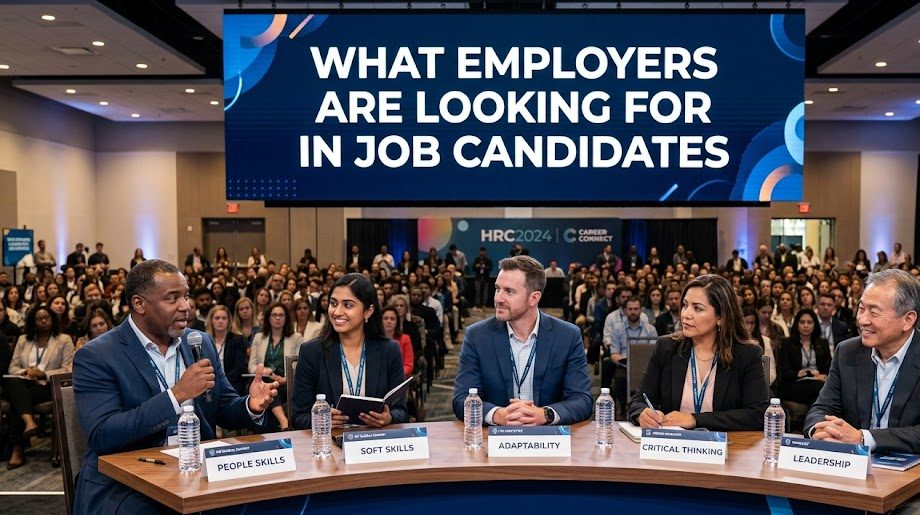
The global job market is changing faster than ever. Technological advancements, remote work opportunities, artificial intelligence, and evolving business needs are transforming how companies hire employees. In 2026, having a degree alone is often not enough to stand out in a competitive job market. Employers are increasingly focusing on practical skills, adaptability, and continuous learning.
Professionals who develop in-demand skills and stay updated with industry trends are more likely to secure better job opportunities and advance in their careers. Understanding what employers value can help job seekers prepare for the future and remain competitive in an ever-changing workplace.
The Modern Job Market
The workforce has undergone significant changes over the past decade. Many traditional roles have evolved, while entirely new career opportunities have emerged. Companies are looking for employees who can adapt to new technologies, collaborate effectively, and solve complex problems.
Remote and hybrid work models have also expanded employment opportunities beyond geographical boundaries. Job seekers can now work for organizations located in different cities or even different countries.
As businesses continue to embrace digital transformation, professionals with relevant technical and soft skills are becoming increasingly valuable.
Digital Literacy Is Essential
One of the most important career skills in 2026 is digital literacy. Regardless of industry, employees are expected to understand and use digital tools efficiently.
From communication platforms and project management software to data analysis applications, technology has become a fundamental part of daily work. Individuals who can quickly learn and adapt to new digital systems often have a competitive advantage.
Employers appreciate candidates who are comfortable working with modern software solutions and online collaboration tools.
Communication Skills Matter More Than Ever
Strong communication remains one of the most sought-after skills in the workplace. Employees must be able to share ideas clearly, collaborate with team members, and interact professionally with clients and customers.
Effective communication includes both verbal and written skills. Whether participating in virtual meetings, writing reports, or delivering presentations, professionals who communicate confidently often achieve better career outcomes.
In remote work environments, communication becomes even more important because teams may be distributed across different locations and time zones.
Problem-Solving and Critical Thinking
Organizations value employees who can identify challenges and develop practical solutions. Problem-solving and critical thinking skills help professionals make informed decisions and contribute to business success.
Employers often seek individuals who can analyze information objectively, evaluate different options, and implement effective strategies.
These skills are particularly valuable in industries experiencing rapid change, where adaptability and innovation play critical roles in achieving goals.
Adaptability and Flexibility
The modern workplace is constantly evolving. New technologies, changing customer expectations, and market developments require employees to remain flexible and open to change.
Adaptability involves learning new skills, embracing different responsibilities, and adjusting to changing work environments. Employers recognize that adaptable employees can help organizations navigate uncertainty and remain competitive.
Professionals who demonstrate a willingness to learn often have greater career growth opportunities.
The Growing Importance of AI Skills
Artificial Intelligence is becoming increasingly integrated into business operations. While not every employee needs to become an AI expert, understanding how AI tools work can provide significant advantages.
Many companies are using AI for data analysis, customer support, content creation, and workflow automation. Employees who know how to work alongside AI technologies may improve productivity and contribute more effectively to organizational goals.
Learning basic AI concepts and practical applications can enhance employability across multiple industries.
Leadership Skills for Career Growth
Leadership is no longer limited to management positions. Employers appreciate professionals who can take initiative, motivate colleagues, and contribute positively to team success.
Leadership skills include decision-making, accountability, conflict resolution, and strategic thinking. Even entry-level employees can demonstrate leadership by taking responsibility and supporting team objectives.
Developing leadership abilities can open doors to promotions and long-term career advancement.
Continuous Learning and Professional Development
One of the most valuable career habits in 2026 is continuous learning. Industries are evolving rapidly, and professionals must regularly update their knowledge to remain relevant.
Online courses, certifications, workshops, and industry conferences provide opportunities to develop new skills and expand expertise. Employers often prefer candidates who actively invest in their professional growth.
A commitment to lifelong learning demonstrates ambition, curiosity, and adaptability.
Building a Strong Professional Network
Networking continues to play an important role in career success. Professional relationships can provide valuable insights, mentorship opportunities, and job referrals.
Social networking platforms and professional communities make it easier than ever to connect with industry experts and potential employers. Building meaningful relationships can lead to opportunities that may not be publicly advertised.
Successful networking focuses on creating genuine connections rather than simply seeking immediate benefits.
Preparing for Future Career Opportunities
The future job market will likely continue to be shaped by technology, globalization, and innovation. Professionals who combine technical expertise with strong interpersonal skills will be well-positioned for success.
Job seekers should focus on developing transferable skills that remain valuable across multiple industries. These include communication, leadership, adaptability, and problem-solving abilities.
Creating a personal development plan and regularly assessing career goals can help individuals stay on track and respond effectively to changing market demands.
Conclusion
Career success in 2026 requires more than academic qualifications. Employers are looking for adaptable professionals who possess a combination of technical knowledge, communication skills, critical thinking abilities, and a commitment to continuous learning.
As industries continue to evolve, individuals who invest in skill development and remain open to new opportunities will have a significant advantage. By focusing on both professional growth and personal development, job seekers can build rewarding careers and achieve long-term success in the modern workplace.