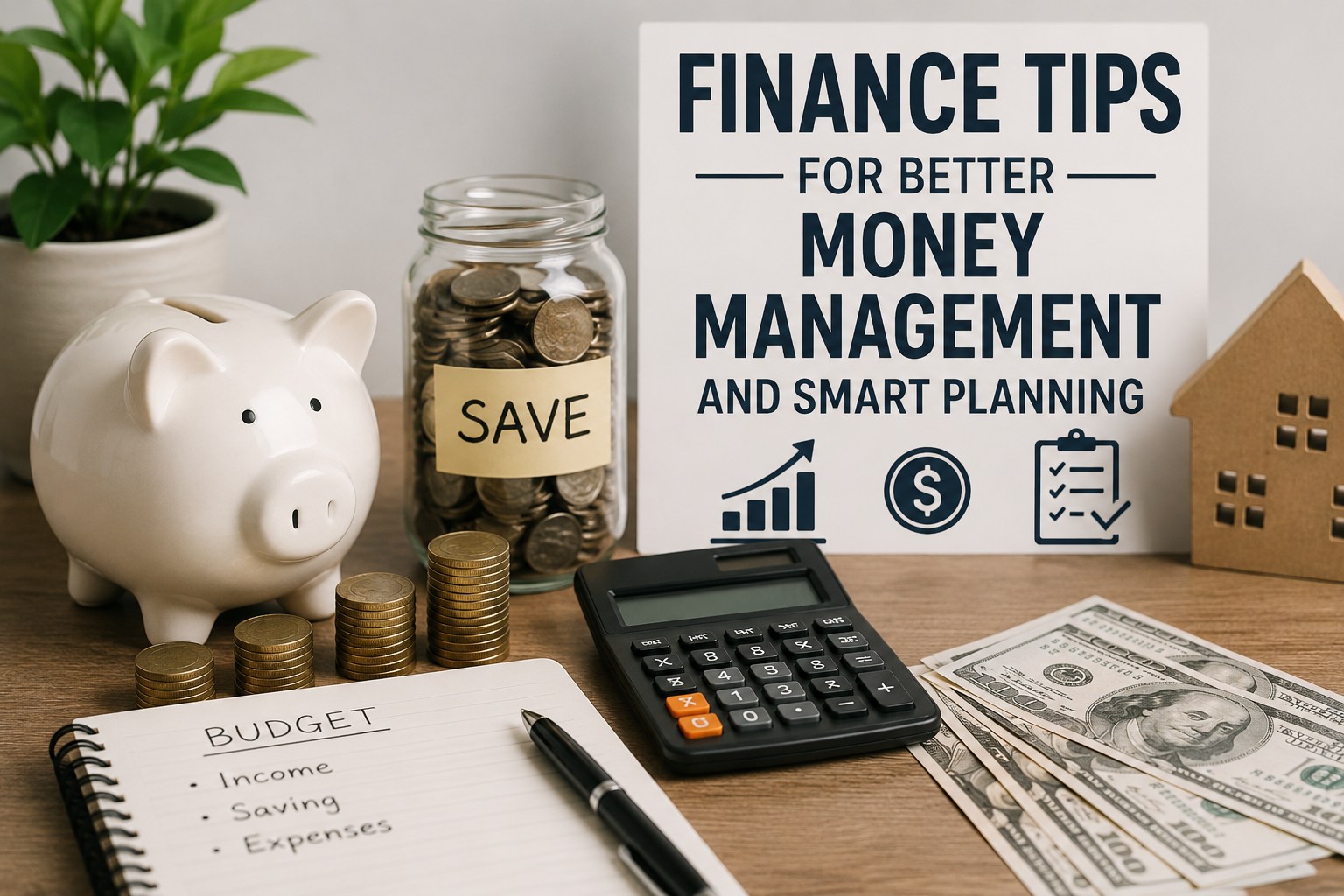

Managing personal finances has become more important than ever in 2026. Rising living costs, changing economic conditions, and the increasing availability of digital financial tools have encouraged people to take greater control of their money. Whether someone is a student, working professional, freelancer, or business owner, understanding personal finance can help build long-term financial stability.
Financial experts agree that successful money management is not about earning the highest income. Instead, it is about making informed financial decisions, controlling expenses, saving consistently, and investing wisely. Individuals who develop strong financial habits are often better prepared for emergencies and future opportunities.
Understanding Personal Finance
Personal finance refers to the management of an individual’s income, expenses, savings, investments, and financial goals. It involves making decisions that help maximize financial well-being while minimizing unnecessary risks.
A strong financial plan usually includes budgeting, emergency savings, debt management, insurance coverage, and long-term investments. These elements work together to create financial security and reduce stress related to money.
Many people delay financial planning because they believe it is complicated. However, even simple steps such as tracking expenses and setting savings goals can significantly improve financial health.
The Importance of Budgeting
Budgeting remains one of the most effective financial management tools. A budget helps individuals understand where their money is being spent and identify areas where expenses can be reduced.
Creating a monthly budget allows people to allocate funds for necessities, savings, investments, and discretionary spending. Financial advisors often recommend following a structured budgeting approach that prioritizes essential expenses before non-essential purchases.
Digital budgeting applications have made expense tracking easier than ever. Many apps automatically categorize transactions and provide detailed insights into spending habits.
By reviewing spending patterns regularly, individuals can make adjustments that improve financial stability and help achieve long-term goals.
Building an Emergency Fund
Unexpected financial emergencies can occur at any time. Medical expenses, job loss, vehicle repairs, or home maintenance costs can place significant pressure on finances.
An emergency fund acts as a financial safety net during difficult situations. Experts generally recommend maintaining savings that can cover several months of living expenses.
Building an emergency fund does not happen overnight. Small but consistent contributions can gradually create a reliable reserve that protects against financial setbacks.
Individuals who maintain emergency savings often avoid relying on high-interest loans or credit cards during emergencies.
Managing Debt Responsibly
Debt can be useful when managed properly, but excessive borrowing may create financial challenges. Credit cards, personal loans, and other forms of debt should be handled carefully.
Financial experts recommend prioritizing high-interest debt repayment. Reducing outstanding balances can improve cash flow and lower overall interest costs.
Making payments on time is equally important. Consistent repayment helps maintain a strong credit profile and reduces the risk of penalties or additional charges.
Responsible debt management allows individuals to focus more resources on savings and investments rather than interest payments.
The Growing Importance of Investing
Saving money is essential, but investing can help individuals grow wealth over time. Investments provide opportunities to earn returns that may exceed traditional savings account interest rates.
Popular investment options include stocks, mutual funds, exchange-traded funds (ETFs), bonds, and retirement accounts. Each investment type offers different levels of risk and potential reward.
Diversification is a key principle of successful investing. By spreading investments across multiple asset classes, investors can reduce exposure to individual market fluctuations.
Long-term investing often benefits from the power of compounding, where earnings generate additional earnings over time. This process can significantly increase wealth when investments are maintained consistently.
Digital Finance and Financial Technology
Financial technology, commonly known as fintech, has transformed personal finance management. Mobile banking applications, digital wallets, and investment platforms provide users with convenient access to financial services.
Consumers can now transfer money, pay bills, track investments, and manage budgets directly from their smartphones. These innovations have increased financial accessibility and improved user experiences.
Artificial Intelligence is also playing a growing role in personal finance. AI-powered tools can analyze spending behavior, suggest budgeting improvements, and provide personalized financial recommendations.
As technology continues to evolve, digital financial services are expected to become even more efficient and user-friendly.
Protecting Financial Security
Financial security extends beyond saving and investing. Protecting assets and personal information is equally important.
Cybersecurity threats continue to increase as more financial activities move online. Individuals should use strong passwords, enable multi-factor authentication, and avoid sharing sensitive information with unverified sources.
Insurance coverage can also help reduce financial risks. Health insurance, life insurance, and property insurance provide protection against unexpected events that could otherwise create significant financial burdens.
A comprehensive financial plan includes both wealth-building strategies and risk-management measures.
Setting Long-Term Financial Goals
Successful financial planning requires clear objectives. Common long-term goals include purchasing a home, funding education, starting a business, or preparing for retirement.
Specific and measurable goals help individuals stay motivated and track progress effectively. Breaking large objectives into smaller milestones often makes financial planning more manageable.
Regular financial reviews are also important. Economic conditions, income levels, and personal circumstances can change over time, requiring adjustments to financial strategies.
People who consistently review and update their financial plans are better positioned to achieve their goals.
Conclusion
Personal finance is a critical life skill that can significantly impact financial well-being and future opportunities. Through budgeting, saving, investing, responsible debt management, and financial education, individuals can build a stronger financial foundation.
While economic conditions may continue to evolve, the core principles of smart money management remain relevant. Developing healthy financial habits today can create greater security, flexibility, and confidence for the future.
As technology and financial services continue to advance, individuals who remain informed and proactive will be best prepared to achieve long-term financial success in 2026 and beyond.