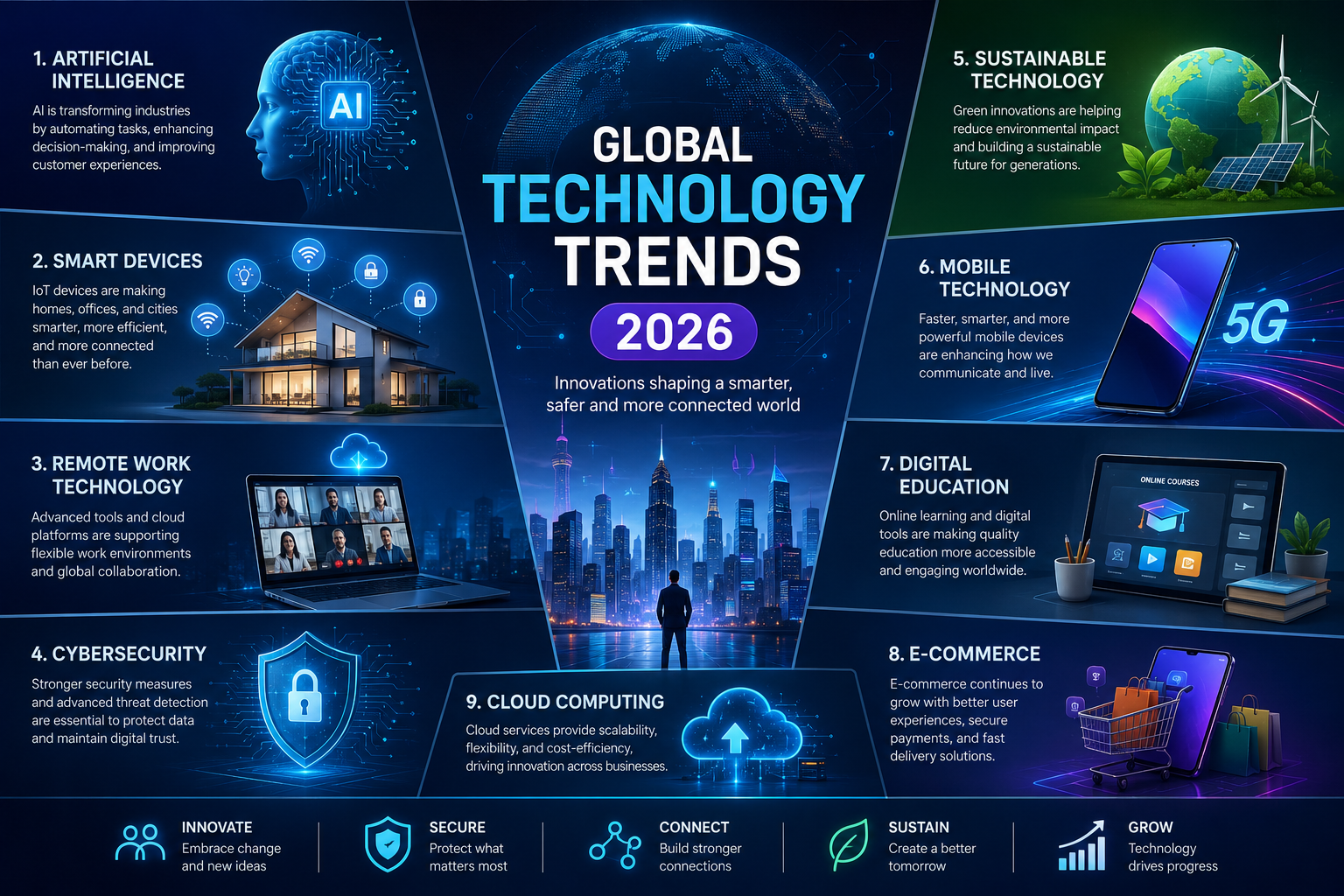
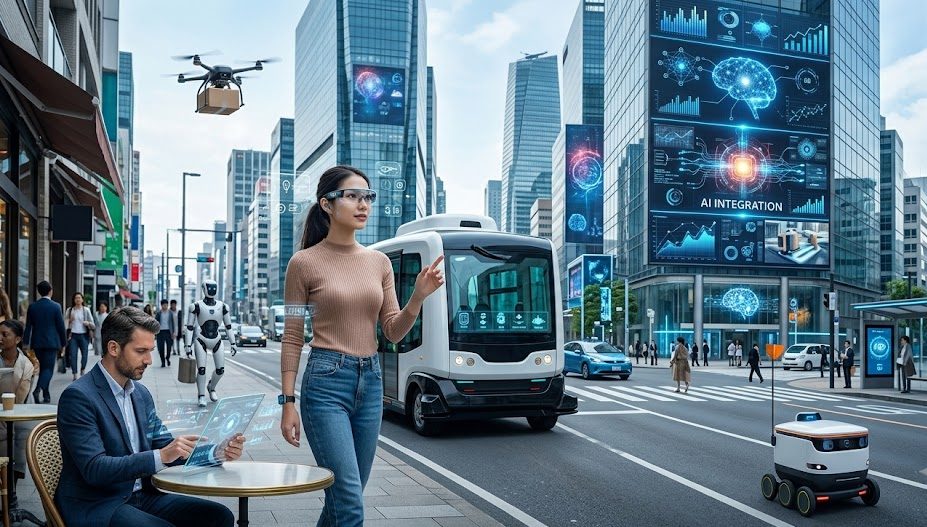
Artificial Intelligence (AI) has become one of the most talked-about technologies in the world. Over the last few years, AI has evolved from a futuristic concept into a practical tool that is changing the way people work, communicate, learn, and do business. In 2026, AI is no longer limited to large technology companies. Small businesses, students, content creators, healthcare professionals, and even everyday users are benefiting from AI-powered solutions.
Experts believe that AI will continue to influence nearly every industry in the coming years. From automating repetitive tasks to helping organizations make better decisions, AI is creating new opportunities while also raising important questions about ethics, privacy, and employment.
What Is Artificial Intelligence?
Artificial Intelligence refers to computer systems that can perform tasks that normally require human intelligence. These tasks include learning from data, understanding language, recognizing images, solving problems, and making decisions.
Modern AI systems use advanced algorithms and machine learning techniques to analyze large amounts of information. As a result, they can identify patterns, generate insights, and even create content such as text, images, videos, and music.
The rapid growth of AI technology has made it accessible to millions of users around the world. Today, AI tools are available through smartphones, websites, and business software platforms.
AI Is Transforming Businesses
One of the biggest impacts of AI can be seen in the business world. Companies are using AI to improve efficiency, reduce costs, and enhance customer experiences.
Customer support departments now use AI-powered chatbots to answer common questions instantly. This helps businesses provide faster service while reducing the workload on support teams.
Marketing professionals are using AI to analyze customer behavior and create personalized advertising campaigns. By understanding customer preferences, businesses can deliver more relevant content and improve conversion rates.
Financial institutions are also benefiting from AI. Banks and financial companies use AI systems to detect fraud, analyze risks, and process transactions more efficiently. These technologies help improve security and reduce operational costs.
AI in Healthcare
The healthcare industry is experiencing significant changes thanks to AI technology. Medical professionals use AI tools to assist with diagnosis, treatment planning, and patient monitoring.
AI-powered systems can analyze medical images such as X-rays and MRIs, helping doctors identify potential health issues more quickly. While these tools do not replace healthcare professionals, they can provide valuable support during the diagnostic process.
Researchers are also using AI to accelerate drug discovery and medical research. By analyzing large datasets, AI can help scientists identify promising treatment options and reduce development time.
Remote healthcare services have become more effective with AI integration. Virtual assistants and health monitoring systems allow patients to receive guidance and support without visiting a clinic for every concern.
The Impact of AI on Education
Education is another sector that is being transformed by artificial intelligence. Students now have access to AI-powered learning platforms that provide personalized recommendations and learning experiences.
These systems can identify areas where students need improvement and suggest customized study materials. As a result, learners can progress at their own pace and focus on subjects that require additional attention.
Teachers also benefit from AI tools that automate administrative tasks such as grading assignments and tracking student performance. This allows educators to spend more time on teaching and student engagement.
Many educational institutions are exploring AI-based tutoring systems that provide instant assistance to students. These tools can help explain concepts, answer questions, and support independent learning.
AI and Content Creation
Content creation has changed dramatically with the rise of AI tools. Writers, marketers, designers, and video creators are using AI to generate ideas, create drafts, and improve productivity.
AI-powered writing assistants can help generate articles, summaries, and marketing content within minutes. Image generation tools allow users to create visual content based on text descriptions.
Video editing software now includes AI features that automate tasks such as caption generation, background removal, and scene detection. These capabilities help creators produce high-quality content more efficiently.
While AI has increased productivity, experts emphasize the importance of human creativity and oversight. Human judgment remains essential for ensuring accuracy, originality, and quality.
Challenges and Concerns
Despite its many benefits, AI also presents several challenges. One of the biggest concerns is data privacy. Many AI systems rely on large amounts of user data, raising questions about how information is collected, stored, and used.
Another concern involves employment. As automation becomes more advanced, some jobs may be affected by AI-driven technologies. However, experts note that AI is also creating new career opportunities in areas such as data science, cybersecurity, and AI development.
Ethical considerations are also important. Organizations must ensure that AI systems are fair, transparent, and free from harmful biases. Governments and industry leaders are working to establish guidelines and regulations that promote responsible AI development.
The Future of Artificial Intelligence
Industry analysts believe that AI will continue to evolve rapidly throughout the decade. Future AI systems are expected to become more efficient, accurate, and capable of handling complex tasks.
Businesses are likely to increase investments in AI technologies as competition grows. At the same time, consumers will gain access to smarter digital assistants, improved healthcare solutions, and more personalized online experiences.
Emerging technologies such as robotics, autonomous vehicles, and advanced language models will further expand the influence of AI across society. These innovations have the potential to improve productivity and quality of life on a global scale.
Conclusion
Artificial Intelligence is shaping the future of technology and society. From healthcare and education to business and content creation, AI is helping individuals and organizations achieve greater efficiency and innovation.
While challenges related to privacy, ethics, and employment remain important, the overall impact of AI continues to be significant. As technology advances, responsible development and thoughtful implementation will be essential to ensuring that AI benefits people around the world.
The coming years are expected to bring even more breakthroughs in artificial intelligence, making it one of the most influential technologies of the modern era.