
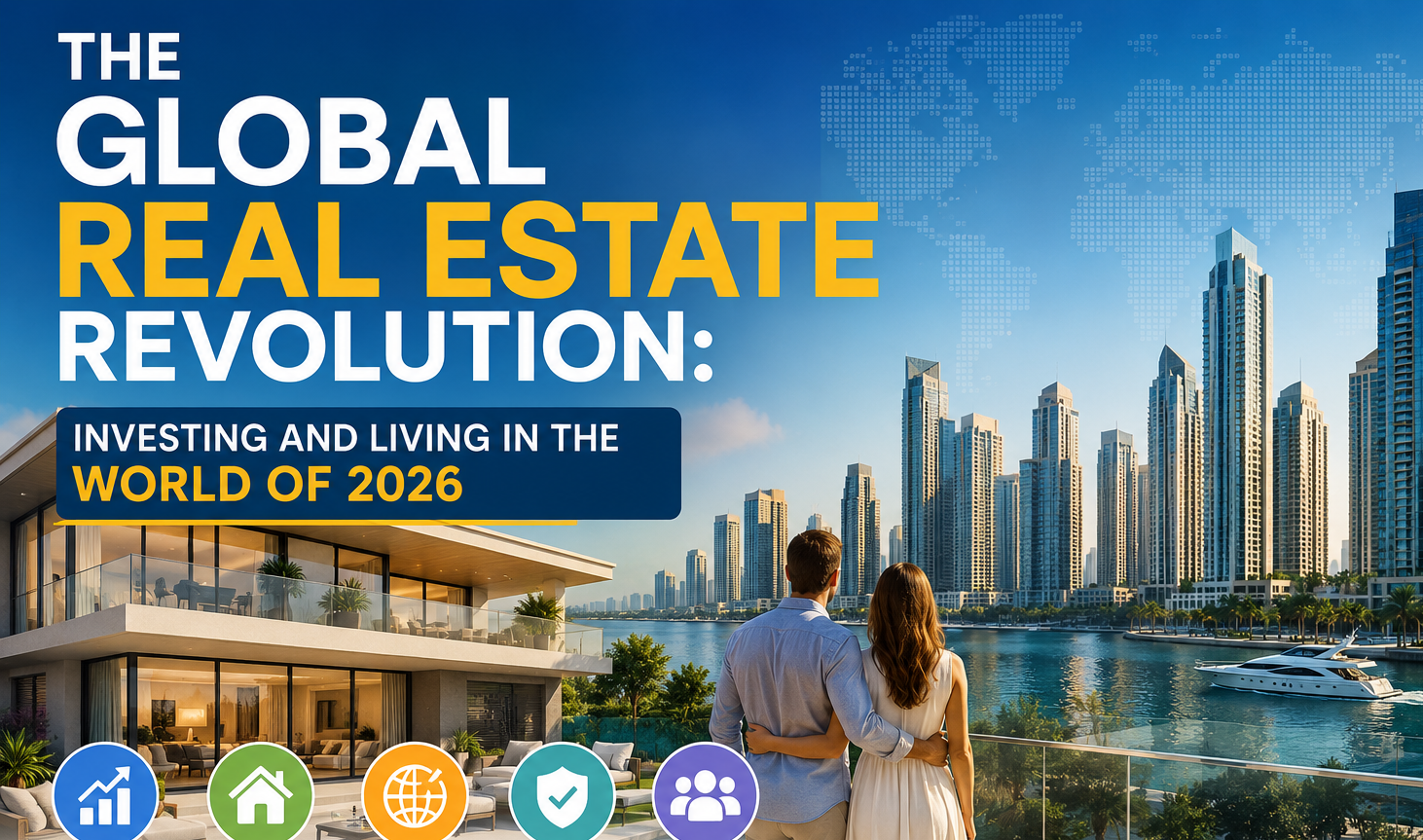
The real estate market is no longer just about “location, location, location.” In 2026, it has transformed into an industry driven by technology, sustainability, and flexibility. From the vertical forests of Milan to the smart-grid neighborhoods of Austin and the booming digital hubs of Southeast Asia, the way we buy, sell, and live in properties has been fundamentally redesigned.
Whether you are a first-time homebuyer, a seasoned investor, or a digital nomad looking for the next “hotspot,” understanding these global shifts is the key to building long-term wealth. This guide explores the most significant trends shaping the worldwide property market today.
1. The Rise of “Smart & Green” Real Estate
In 2026, a house is no longer just a structure; it is an intelligent ecosystem. Sustainable living has moved from being a luxury to a global standard.
- Net-Zero Homes: Across Europe and North America, “Net-Zero” properties—which produce as much energy as they consume via solar panels and advanced insulation—are selling at a premium.
- IoT-Integrated Living: Modern apartments now come with built-in AI that manages everything from energy consumption to security and air filtration. These “Self-Healing” homes can detect a water leak or an electrical fault before it causes damage, saving homeowners thousands in maintenance.
- Biophilic Architecture: Developers are increasingly integrating nature into urban buildings. Rooftop gardens, indoor waterfalls, and natural ventilation systems are being used to improve the mental well-being of residents in crowded cities.
2. Fractional Ownership: Democratizing Real Estate
For decades, high-value real estate was reserved for the wealthy. In 2026, Fractional Ownership and Tokenization have changed the game for small investors.
- How it Works: Using blockchain technology, a luxury villa or a commercial office building is divided into thousands of “tokens.”
- The Benefit: Instead of needing $1 Million to buy a property, an investor can buy a $1,000 token. This allows them to earn a percentage of the rental income and benefit from property appreciation without the headache of managing the building.
- Global Reach: A person in India can now easily own a “fraction” of a shopping mall in London or a beachfront resort in the Maldives through secure digital platforms.
3. The “Digital Nomad” Effect on Secondary Markets
The normalization of remote work has caused a massive shift in where people choose to live. This has led to the rise of Secondary Cities and Resort Towns.
- Emerging Hubs: Cities like Lisbon (Portugal), Bali (Indonesia), and Mexico City have seen record property price growth because they offer a high quality of life at a lower cost for remote workers.
- Flexible Living Schemes: “Co-living” spaces, which combine private bedrooms with high-end shared workspaces and social areas, have become a preferred choice for Gen Z and Millennial professionals worldwide.
- The Death of the Traditional Office? While prime city-center offices still hold value, many commercial buildings are being “repurposed” into residential lofts or mixed-use creative spaces.
4. Real Estate as a Hedge Against Inflation
With global economic volatility, real estate remains one of the safest “inflation hedges” in 2026.
- Tangible Value: Unlike paper currency, land and buildings have intrinsic value. As the cost of labor and materials (like steel and cement) increases, the replacement value of existing properties rises, pushing prices up.
- Rental Growth: In high-demand cities, rental yields are keeping pace with or exceeding inflation, providing investors with a steady and increasing stream of passive income.
5. Prop-Tech: The End of the Middleman?
“Property Technology” (Prop-Tech) has made the buying process faster and more transparent than ever before.
- Virtual Reality (VR) Tours: You can now “walk through” an apartment in Dubai while sitting in your living room in New York. High-definition VR tours have reduced the need for physical visits, allowing international deals to close in record time.
- Smart Contracts: In many forward-thinking jurisdictions, property titles are being moved to digital ledgers. This eliminates the need for expensive lawyers and long waiting periods, as the “Smart Contract” automatically transfers ownership once the payment is verified.
- AI Valuation: Algorithms now analyze historical data, neighborhood trends, and future infrastructure plans (like new metro lines) to provide highly accurate property valuations, helping investors avoid overpaying.
6. The Shift Toward “Lifestyle” Real Estate
In 2026, buyers are looking for more than just square footage; they are looking for Lifestyle Amenities.
- Wellness Communities: New developments are being built around wellness centers, offering residents access to biohacking labs, organic cafes, and communal meditation spaces.
- Micro-Living in Mega-Cities: In places like Tokyo and New York, “Micro-Apartments” that maximize every inch of space are popular. These units focus on high-quality design and shared community luxury (like a shared cinema or high-end gym) over private space.
7. Key Markets to Watch in 2026
While every market is local, certain regions are showing exceptional promise:
- Southeast Asia: Vietnam and Thailand are seeing massive foreign investment due to their growing middle class and manufacturing booms.
- The Middle East: Saudi Arabia’s “Vision 2030” projects and Dubai’s continued tax-free status make them top picks for global luxury investors.
- Southern Europe: Spain and Greece remain popular for “Golden Visa” seekers who want residency in exchange for property investment.
8. Challenges and Risks
Despite the opportunities, real estate in 2026 faces challenges:
- Interest Rate Volatility: Changes in global central bank rates can quickly affect mortgage affordability and investment returns.
- Climate Risk: Properties in low-lying coastal areas are facing higher insurance premiums, making “Climate Resilience” a top priority for smart buyers.
- Regulatory Changes: Many cities are introducing stricter rules on short-term rentals (like Airbnb) to protect local housing affordability.
9. How to Build Your Global Portfolio
To succeed in the modern real estate market, you must be:
- Diversified: Don’t put all your money in one city or one type of property (e.g., mix residential with commercial or industrial).
- Tech-Savvy: Use Prop-Tech tools to find data-backed opportunities.
- Sustainability-Focused: Only buy properties that meet modern energy standards, as these will hold their value better in the future.
10. Conclusion
Real estate in 2026 is an exciting frontier. It has moved from a slow, traditional industry to a fast-paced, tech-driven asset class. By embracing sustainability, leveraging Prop-Tech, and looking toward emerging global hubs, anyone can participate in the worldwide property boom. Whether you are looking for a sanctuary to call home or a vehicle to grow your wealth, the real estate market offers more diversity and accessibility than ever before in history.