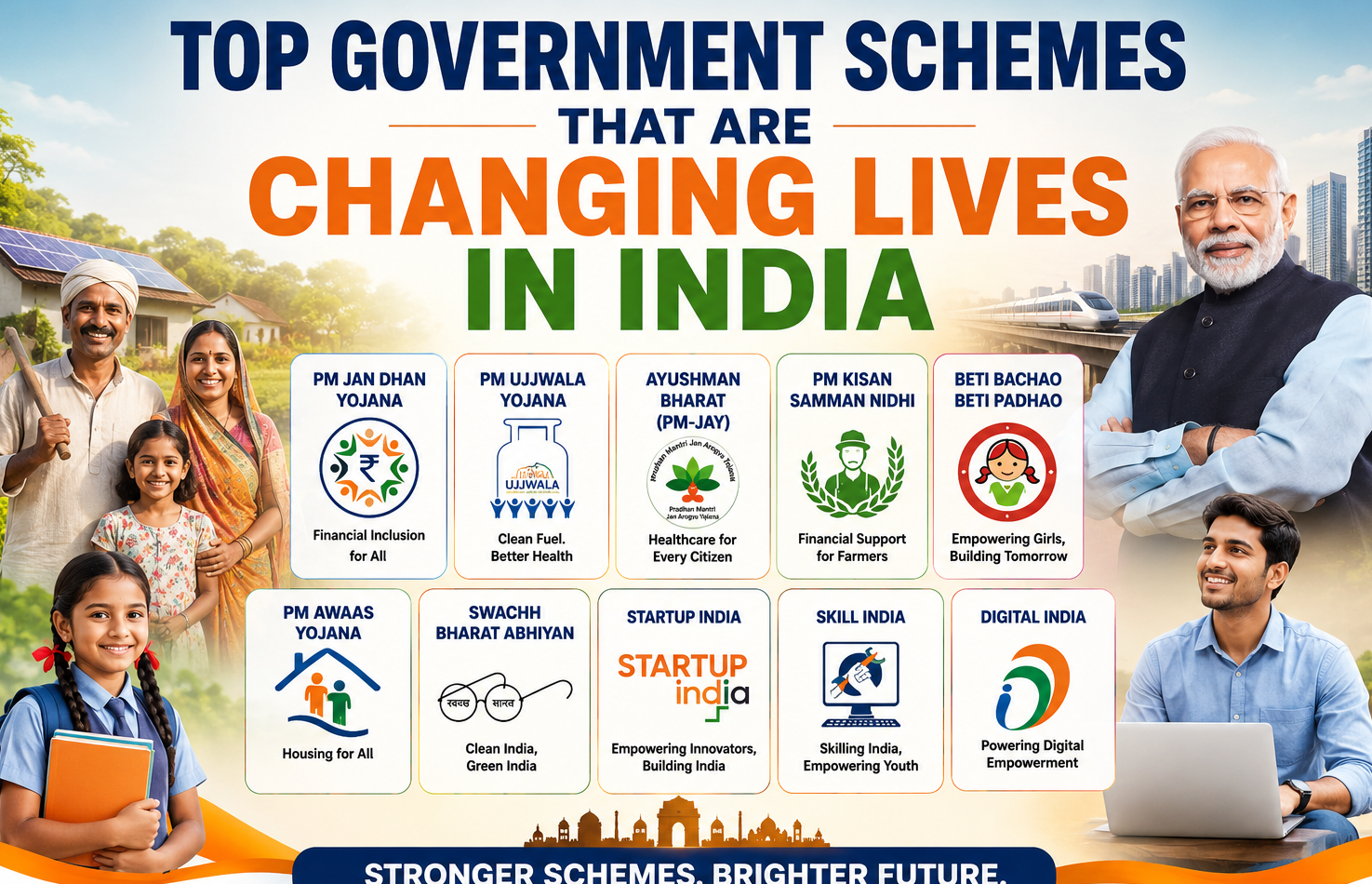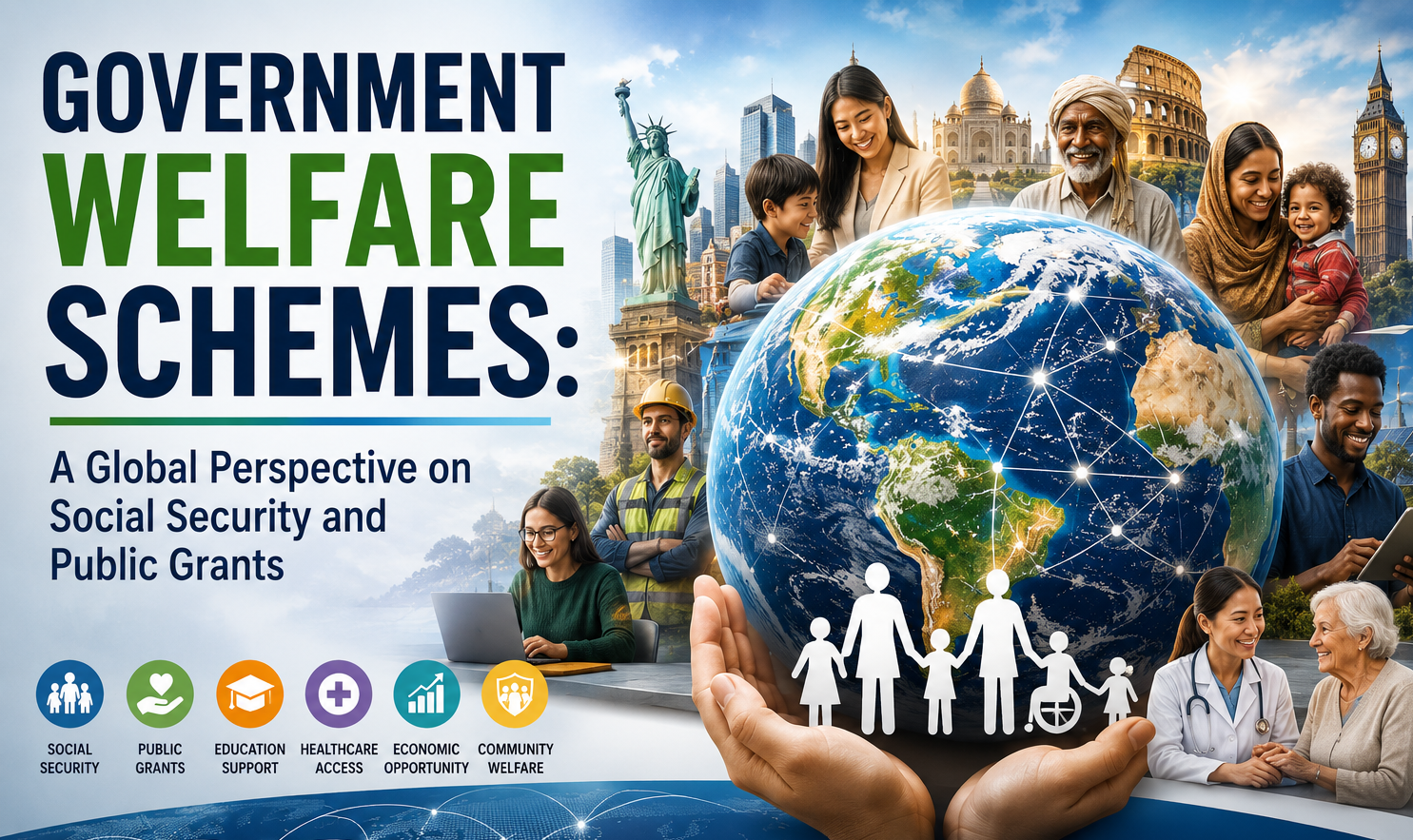
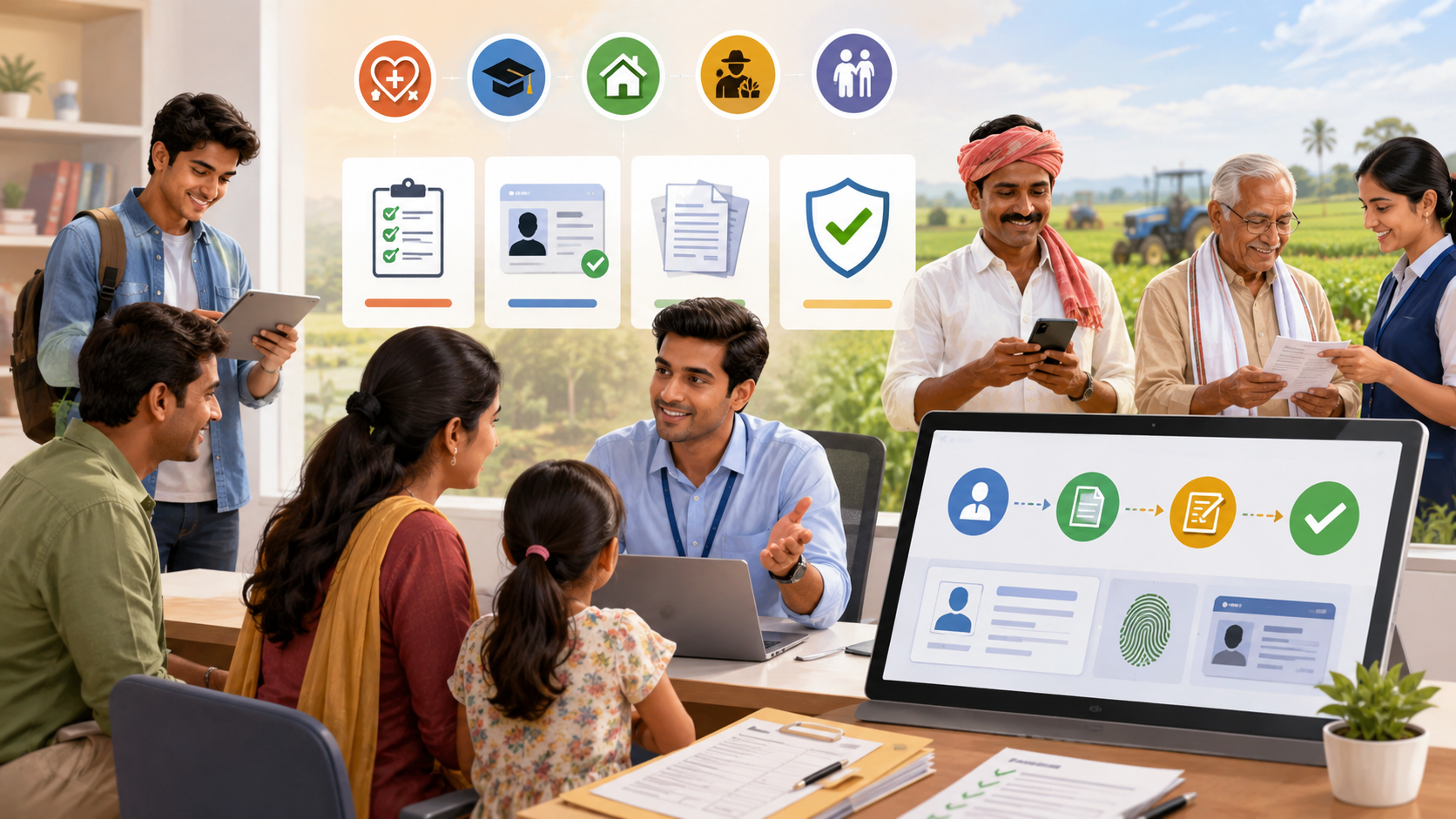
Government schemes play an important role in helping people improve their quality of life. These schemes are created to support citizens in areas such as education, healthcare, housing, employment, farming, business, social security, and financial assistance. Many people are eligible for different government benefits, but they often miss opportunities because they do not know how to find the right scheme, understand eligibility rules, or complete the application process correctly.
A government scheme is usually designed to solve a public problem or support a specific group of people. For example, students may receive scholarships, farmers may receive crop support, small business owners may get financial help, and low-income families may receive housing or healthcare benefits. The main goal of these programs is to provide assistance where it is needed the most and make basic services more accessible.
This guide explains the benefits of government schemes, common eligibility requirements, and useful application tips so that you can understand the process in a simple and practical way.
What Are Government Schemes?
Government schemes are official programs launched by local, state, or national authorities to help citizens. These programs may provide financial support, services, training, subsidies, insurance, loans, or other benefits. Some schemes are available for everyone, while others are made for specific groups such as women, senior citizens, students, farmers, workers, small business owners, or people from low-income households.
These schemes are usually funded by public money and managed through government departments or authorized agencies. The rules, benefits, and application process may vary depending on the location and type of scheme.
Why Government Schemes Are Important
Government schemes are important because they reduce financial pressure and create better opportunities for citizens. Many families face challenges related to income, education, health expenses, job security, housing, or business growth. A well-designed government scheme can help people manage these challenges with timely support.
For example, a scholarship can help a student continue education without heavy financial stress. A healthcare scheme can help a family receive medical treatment at a lower cost. A housing program can support people who want to build or improve their homes. Similarly, farmer support schemes can help with seeds, equipment, irrigation, or crop protection.
These programs also promote social development by helping people become more independent, skilled, and financially stable.
Common Benefits of Government Schemes
The benefits of government schemes depend on the purpose of the program. However, most schemes offer one or more of the following advantages:
Financial Assistance
Many government schemes provide direct financial help to eligible citizens. This may include cash support, subsidies, grants, pensions, or assistance for education, farming, housing, healthcare, or small businesses. Financial assistance can reduce the burden on families and help them meet important needs.
Education Support
Education-based schemes may offer scholarships, free learning materials, fee support, skill development programs, or training opportunities. These schemes are especially helpful for students from economically weaker backgrounds who want to continue their studies or learn job-ready skills.
Healthcare Benefits
Healthcare schemes can help people get medical treatment, health insurance coverage, free checkups, maternity support, medicines, or hospital services. These programs are useful for families who may not be able to afford expensive medical care.
Housing Support
Some schemes help eligible people build, buy, repair, or improve their homes. Housing support may include subsidies, low-interest loans, construction assistance, or basic facilities such as water, electricity, and sanitation.
Employment and Skill Development
Employment-related schemes focus on job creation, training, self-employment, and skill improvement. These programs may help young people, workers, and unemployed individuals learn useful skills and find better work opportunities.
Farmer and Agriculture Support
Agriculture schemes may support farmers through crop insurance, irrigation help, equipment subsidies, seed support, training, soil testing, and financial assistance. These schemes can improve farming productivity and reduce risk during difficult seasons.
Business and Startup Support
Many governments provide support to small businesses, startups, and entrepreneurs. This may include loans, subsidies, training, tax benefits, market access, or business development guidance. These schemes encourage self-employment and local economic growth.
Social Security Benefits
Social security schemes are created to support senior citizens, widows, disabled persons, low-income families, and vulnerable groups. These programs may provide pensions, monthly assistance, insurance, or special care services.
Common Eligibility Requirements
Every government scheme has its own eligibility rules. Before applying, it is important to read the official guidelines carefully. Some common eligibility factors include:
Age
Many schemes have age limits. For example, student scholarships may be available for a specific education level or age group, while pension schemes may require the applicant to be above a certain age.
Income Level
Some benefits are meant for low-income families. In such cases, applicants may need to provide income proof or other documents showing their financial condition.
Residence
Most schemes require applicants to be residents of a specific country, state, district, or local area. Proof of address may be needed during the application process.
Category or Group
Certain schemes are created for specific groups such as farmers, students, women, senior citizens, workers, small business owners, or persons with disabilities. Applicants must match the required category.
Education or Occupation
Education schemes may require proof of enrollment, marksheets, or school/college documents. Employment or business schemes may require work details, business registration, training certificates, or related documents.
Bank Account
Many schemes transfer benefits directly to the applicant’s bank account. Therefore, an active bank account may be required. The account details should be correct to avoid payment delays.
Required Documents for Government Schemes
Documents may vary by scheme, but commonly required documents include:
- Identity proof
- Address proof
- Income certificate
- Age proof
- Bank account details
- Passport-size photograph
- Education documents
- Business or employment proof
- Category certificate, if applicable
- Land or property documents, if needed
- Mobile number and email ID
Applicants should always keep original documents and copies ready before starting the application.
How to Find the Right Government Scheme
Finding the right scheme can feel confusing because many programs are available. The best way is to first identify your need. Ask yourself what kind of support you are looking for. Is it related to education, health, farming, housing, business, employment, or social security?
After that, check official government websites, local government offices, authorized service centers, public notices, or verified portals. Avoid depending only on social media messages because many fake or outdated scheme details are shared online.
You can also visit local offices or help centers where officials can guide you about available schemes and application steps.
Step-by-Step Application Process
The application process may be online or offline, depending on the scheme. Here is a simple step-by-step approach:
1. Read the Scheme Details Carefully
Before applying, understand the purpose of the scheme, benefits, eligibility, required documents, last date, and application method. Do not apply without checking whether you qualify.
2. Collect All Required Documents
Prepare your documents in advance. If the application is online, scan or upload clear copies in the required format. Blurry or incorrect documents may lead to rejection.
3. Fill the Application Form Correctly
Enter your name, address, date of birth, income details, bank details, and other information carefully. Make sure the information matches your official documents.
4. Review Before Submission
Before submitting the form, check all details again. A small mistake in spelling, account number, or document upload can delay the process.
5. Submit and Save the Reference Number
After submission, save the application number, receipt, or acknowledgment slip. This helps you track your application status later.
6. Track Application Status
Most online portals allow applicants to track their application. If there is a delay, you may contact the concerned department or visit the nearest office.
Common Mistakes to Avoid
Many applications are rejected because of simple mistakes. To improve your chances, avoid these errors:
- Applying without checking eligibility
- Uploading unclear documents
- Entering wrong bank details
- Missing the application deadline
- Giving false information
- Ignoring official instructions
- Not saving the application receipt
- Using unofficial or fake websites
Always apply through official channels and never pay unnecessary fees to unknown agents.
Safety Tips While Applying Online
Online applications are convenient, but applicants should be careful. Use only official government portals or trusted service centers. Do not share passwords, OTPs, or banking details with unknown people. Avoid clicking on suspicious links that promise instant approval or guaranteed benefits.
If any website asks for unusual payments or personal information, verify it before proceeding. Government schemes usually have clear rules, and genuine portals provide official contact details.
Final Thoughts
Government schemes can provide valuable support for education, healthcare, housing, farming, business, employment, and social security. However, getting the benefit depends on awareness, eligibility, correct documents, and proper application steps. Many people miss useful opportunities simply because they do not know where to apply or how to complete the process.
The best approach is to stay informed, use official sources, keep documents updated, and apply before the deadline. Whether you are a student, farmer, worker, senior citizen, entrepreneur, or family member looking for support, the right government scheme can help you reduce financial pressure and improve your future planning.
FAQs
1. What is a government scheme?
A government scheme is an official program created to provide support, benefits, or services to eligible citizens. It may include financial help, subsidies, training, healthcare, housing, education support, or social security benefits.
2. How can I check if I am eligible for a government scheme?
You can check eligibility by reading the official scheme guidelines. Common eligibility factors include age, income, residence, occupation, education level, category, and required documents.
3. Can I apply for government schemes online?
Yes, many government schemes allow online applications through official portals. Some schemes may also accept offline applications through local offices or authorized centers.
4. Why do government scheme applications get rejected?
Applications may be rejected due to wrong information, missing documents, unclear uploads, ineligibility, duplicate applications, incorrect bank details, or missed deadlines.
5. Is it safe to apply through agents?
It is better to apply through official websites or authorized centers. Be careful with unknown agents who ask for extra money or promise guaranteed approval.