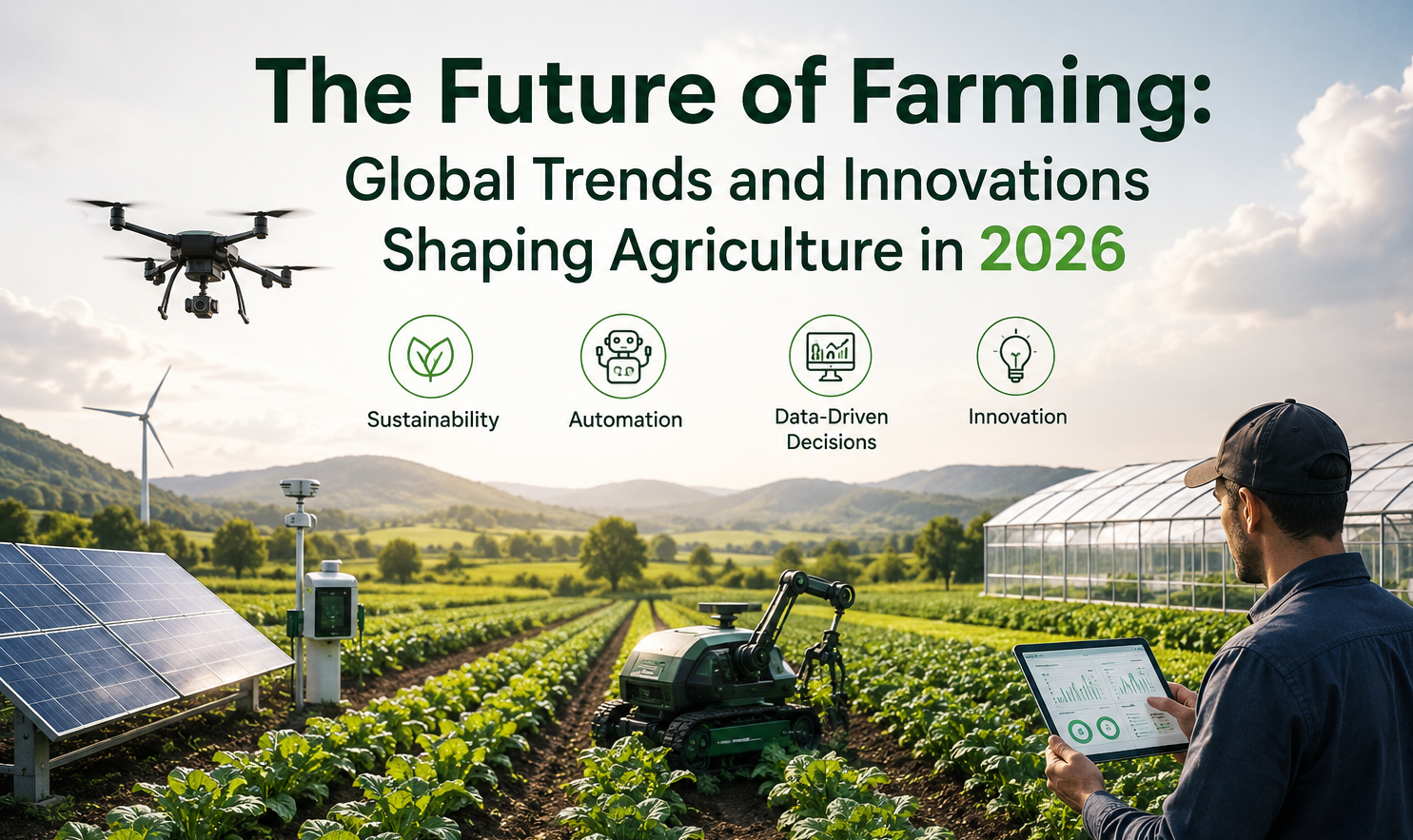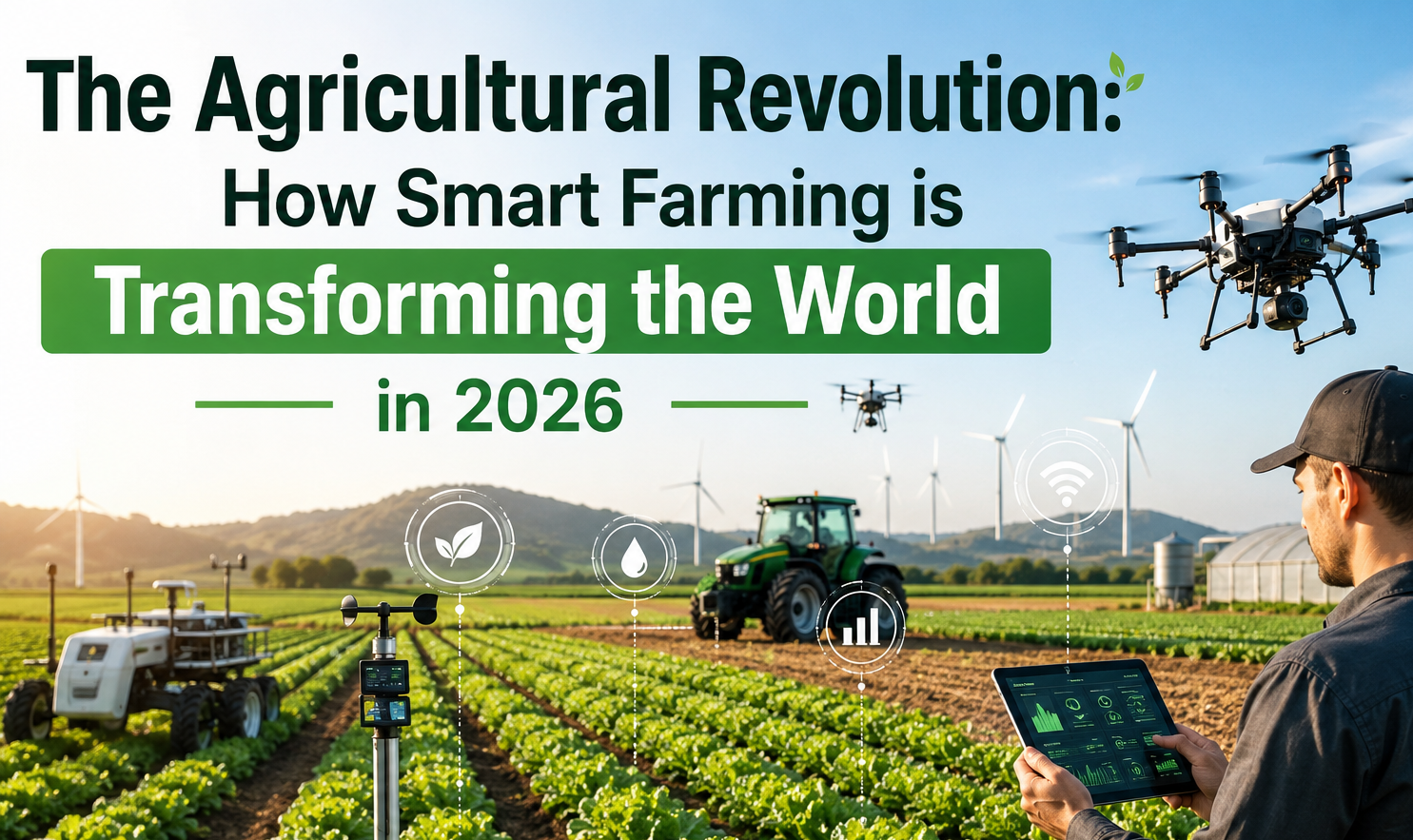
Agriculture is undergoing one of the most significant transformations in its history. As the global population continues to grow and environmental pressures increase, farmers face the challenge of producing more food while using fewer resources. Rising input costs, climate change, labor shortages, water scarcity, and soil degradation are pushing the agricultural industry toward innovative solutions that improve productivity and sustainability.
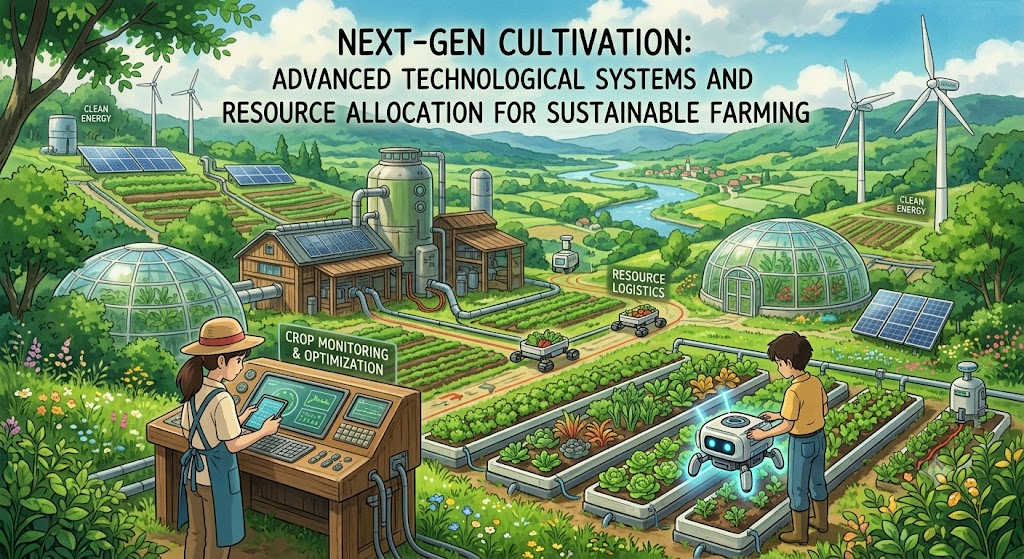
Next-generation cultivation combines advanced technologies, data-driven decision-making, and efficient resource management to create smarter and more resilient farming systems. These modern approaches allow farmers to optimize production, reduce waste, conserve natural resources, and improve profitability without compromising environmental health.
From precision agriculture and artificial intelligence to automated machinery and smart irrigation systems, technological innovation is reshaping the future of farming. This guide explores the advanced systems and resource allocation strategies that are driving sustainable agriculture in the modern era.
The Evolution of Modern Agriculture
Agriculture has continuously evolved through innovation.
From simple hand tools to mechanized equipment and now digital technologies, each advancement has improved productivity and efficiency.
Today’s agricultural systems increasingly focus on:
- Data-driven management
- Resource optimization
- Environmental sustainability
- Production efficiency
- Long-term resilience
The goal is to produce more food while minimizing environmental impact.
Why Sustainable Farming Matters
Sustainable agriculture seeks to balance productivity, profitability, and environmental responsibility.
Key Objectives
- Protect soil health
- Conserve water resources
- Reduce waste
- Enhance biodiversity
- Maintain long-term productivity
Sustainability ensures that future generations can continue producing food from healthy and productive agricultural systems.
Understanding Next-Generation Cultivation
Next-generation cultivation integrates advanced technologies into traditional farming practices.
These technologies help farmers:
- Monitor crops more accurately
- Improve resource efficiency
- Reduce operating costs
- Increase crop yields
- Minimize environmental impact
Technology serves as a tool that supports better agricultural decision-making.
Precision Agriculture: Farming with Accuracy
Precision agriculture is one of the most influential innovations in modern farming.
Rather than treating an entire field uniformly, farmers can manage specific areas based on actual conditions.
Technologies Used
- GPS systems
- Geographic Information Systems (GIS)
- Yield monitors
- Satellite imagery
- Soil sensors
Benefits
- Improved input efficiency
- Reduced waste
- Better crop performance
- Increased profitability
Precision agriculture helps ensure resources are applied exactly where needed.
Smart Irrigation Systems
Water management is becoming increasingly important in agriculture.
Smart irrigation technologies help farmers apply water more efficiently.
Common Smart Irrigation Tools
- Soil moisture sensors
- Automated irrigation controllers
- Weather monitoring systems
- Drip irrigation networks
Advantages
- Reduced water consumption
- Improved crop health
- Lower operating costs
- Enhanced sustainability
Efficient irrigation helps conserve one of agriculture’s most valuable resources.
Artificial Intelligence in Agriculture
Artificial intelligence (AI) is transforming farm management through advanced data analysis and predictive capabilities.
Applications of AI
- Crop monitoring
- Yield prediction
- Pest detection
- Disease diagnosis
- Resource optimization
AI systems can process large amounts of information and provide valuable recommendations for farmers.
Internet of Things (IoT) in Farming
The Internet of Things connects agricultural devices and sensors through digital networks.
Examples of IoT Devices
- Soil sensors
- Climate sensors
- Water monitoring systems
- Livestock tracking devices
Benefits
- Real-time monitoring
- Improved decision-making
- Increased efficiency
- Reduced labor requirements
Connected technologies allow farmers to manage operations more effectively.
Drone Technology for Crop Management
Agricultural drones provide valuable aerial insights into field conditions.
Common Drone Applications
- Crop scouting
- Field mapping
- Plant health assessment
- Irrigation monitoring
- Pest identification
Advantages
- Faster field inspections
- Early problem detection
- Improved management decisions
Drones help farmers monitor large areas quickly and accurately.
Automated Farm Machinery
Automation is becoming increasingly important as labor challenges affect agricultural production.
Examples include:
- Autonomous tractors
- Robotic harvesters
- Automated planting systems
- Smart spraying equipment
Benefits
- Reduced labor costs
- Improved efficiency
- Greater operational precision
- Increased productivity
Automation supports scalable and efficient farming operations.
Advanced Greenhouse Systems
Modern greenhouse technologies provide greater control over growing environments.
Features of Smart Greenhouses
- Automated climate control
- Precision irrigation
- Environmental monitoring
- Energy-efficient systems
Benefits
- Year-round production
- Higher crop quality
- Increased yields
- Reduced resource waste
Controlled environments improve consistency and productivity.
Hydroponic and Vertical Farming Technologies
Alternative growing systems are becoming more popular in areas with limited land or water resources.
Hydroponics
Hydroponic systems grow plants without soil using nutrient-rich water solutions.
Vertical Farming
Vertical farms use stacked growing layers to maximize production within limited space.
Benefits
- Efficient land use
- Water conservation
- Higher productivity
- Reduced environmental impact
These technologies offer innovative solutions for future food production.
Resource Allocation in Sustainable Agriculture
Technology alone is not enough. Effective resource allocation remains critical for success.
Key resources include:
- Water
- Land
- Labor
- Energy
- Nutrients
Optimizing these resources improves both productivity and sustainability.
Efficient Nutrient Management
Proper nutrient allocation supports healthy crop growth while reducing environmental impacts.
Best Practices
- Soil testing
- Variable-rate fertilizer application
- Precision nutrient delivery
- Organic matter incorporation
Efficient nutrient management improves yields while minimizing waste.
Renewable Energy Integration
Many farms are adopting renewable energy systems to reduce operating costs and emissions.
Examples
- Solar panels
- Wind turbines
- Biogas systems
Benefits
- Lower energy expenses
- Reduced carbon footprint
- Improved sustainability
Renewable energy contributes to long-term agricultural resilience.
Data-Driven Farm Management
Data has become one of the most valuable resources in modern agriculture.
Important Data Sources
- Weather information
- Soil measurements
- Yield records
- Equipment performance data
Benefits
- Better planning
- Improved efficiency
- Reduced uncertainty
- Enhanced profitability
Data-driven decision-making helps farmers respond more effectively to changing conditions.
Climate-Smart Farming Strategies
Climate change is increasing the need for adaptive agricultural systems.
Climate-Smart Practices
- Water conservation
- Drought-resistant crops
- Soil improvement
- Diversified production systems
- Precision resource management
These strategies help farms remain productive under changing environmental conditions.
Challenges of Implementing Advanced Technologies
Although promising, advanced technologies also present challenges.
Common Obstacles
- Initial investment costs
- Technical training requirements
- Infrastructure limitations
- Data management complexity
Careful planning helps ensure successful adoption.
The Future of Sustainable Farming
Agriculture will continue to evolve as new technologies emerge.
Future innovations may include:
- AI-powered farm management systems
- Fully autonomous equipment
- Advanced robotics
- Improved sensor technologies
- Predictive agricultural analytics
These developments are expected to further improve efficiency and sustainability.
Frequently Asked Questions
1. What is next-generation cultivation?
Next-generation cultivation combines advanced technologies and efficient resource management to improve agricultural productivity and sustainability.
2. How does precision agriculture help farmers?
Precision agriculture improves efficiency by applying resources such as water and fertilizers only where they are needed.
3. What role does artificial intelligence play in farming?
AI helps analyze data, predict outcomes, identify problems, and support better farm management decisions.
4. Why are smart irrigation systems important?
Smart irrigation reduces water waste while maintaining optimal moisture conditions for crops.
5. Can technology make farming more sustainable?
Yes. Modern technologies help conserve resources, reduce waste, improve efficiency, and support long-term agricultural sustainability.
Conclusion
Next-generation cultivation represents the future of agriculture, combining advanced technologies with intelligent resource allocation to create more productive, efficient, and sustainable farming systems. Innovations such as precision agriculture, smart irrigation, artificial intelligence, drones, automation, and controlled-environment farming are helping producers meet growing food demands while conserving valuable natural resources.
As environmental and economic pressures continue to shape the agricultural landscape, adopting modern technologies and data-driven management practices will become increasingly important. By embracing innovation while maintaining a commitment to sustainability, farmers can build resilient operations that support both profitability and long-term environmental stewardship.
Explore more helpful articles on our website for additional farming guides, agricultural technologies, and sustainable crop production strategies.