Introduction
Managing money is one of the most important life skills, yet many people learn it only after making financial mistakes. Whether you are a student, working professional, small business owner, or someone trying to improve daily budgeting, better money management can help you live with less stress and more confidence.
Good financial planning is not only about earning more money. It is also about understanding where your money goes, how to save it wisely, how to avoid unnecessary debt, and how to prepare for future goals. In today’s world, expenses are increasing, online shopping is easier than ever, and financial decisions can affect your long-term lifestyle. That is why smart planning is necessary for everyone.
This guide explains practical finance tips for better money management and smart planning. These tips are simple, realistic, and useful for everyday life.
1. Understand Your Income and Expenses
The first step toward better money management is knowing exactly how much money you earn and how much you spend. Many people think they have a general idea, but small daily expenses can quietly reduce savings.
Start by writing down your monthly income. This may include salary, freelance work, business income, side income, or any other regular earnings. After that, list your expenses such as rent, groceries, electricity bills, transport, insurance, loan payments, subscriptions, shopping, and entertainment.
When you track your money clearly, you can identify spending habits and make better decisions. For example, if you notice that a large amount is going toward food delivery or unnecessary subscriptions, you can reduce those costs and save more.
2. Create a Realistic Monthly Budget
A budget is like a financial roadmap. It helps you decide how your money should be used before you spend it. A good budget does not mean you stop enjoying life. It simply means you spend with awareness.
You can divide your income into categories such as:
- Essential expenses
- Savings
- Investments
- Debt payments
- Emergency fund
- Personal spending
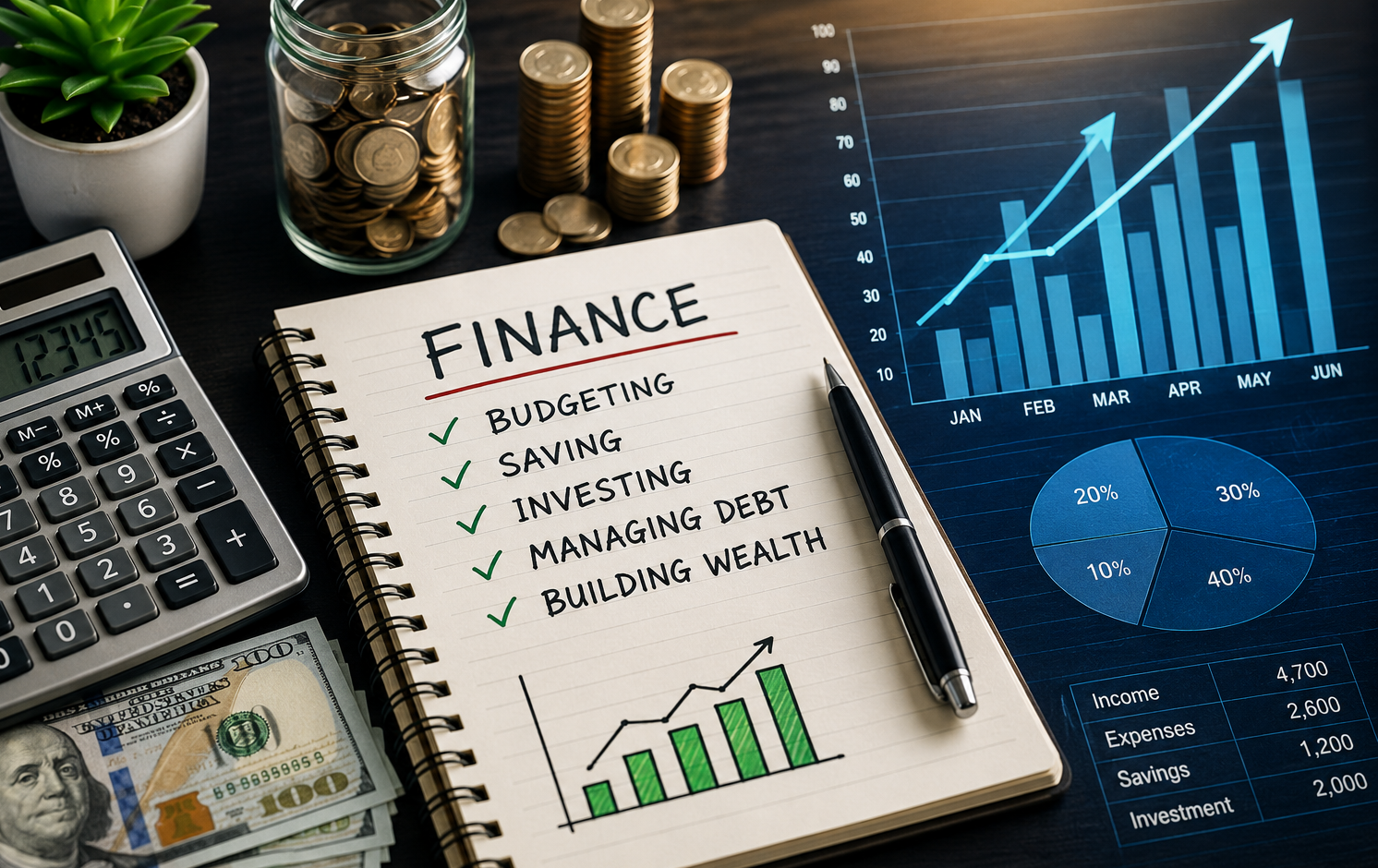
A popular budgeting method is the 50/30/20 rule. In this method, 50% of your income goes toward needs, 30% toward wants, and 20% toward savings or debt repayment. However, you can adjust this rule based on your personal situation.
The key is to make a budget that you can actually follow. If your budget is too strict, it may become difficult to continue. Keep it practical and flexible.
3. Build an Emergency Fund
An emergency fund is money saved for unexpected situations. Life can bring sudden expenses such as medical bills, job loss, car repair, home repair, or urgent travel. Without emergency savings, people often depend on credit cards or loans, which can create more financial pressure.
A good goal is to save at least three to six months of essential living expenses. You do not need to build this fund in one month. Start small. Even saving a fixed amount every week or month can make a big difference over time.
Keep your emergency fund in a safe and easily accessible place, such as a savings account. Avoid using this money for shopping, vacations, or non-urgent expenses.
4. Avoid Unnecessary Debt
Debt can be useful when used wisely, such as for education, a home, or business growth. However, unnecessary debt can damage your financial health. Credit card debt, personal loans for lifestyle spending, and buy-now-pay-later purchases can become difficult to manage if not controlled.
Before taking any loan, ask yourself:
- Is this purchase really necessary?
- Can I afford the monthly payment?
- What is the interest rate?
- Will this debt help my future or only satisfy a short-term desire?
If you already have debt, try to pay high-interest debt first. Credit cards usually have high interest rates, so clearing them should be a priority. Paying debt on time also helps maintain a good credit history.
5. Save Before You Spend
Many people follow the habit of spending first and saving whatever remains. The problem is that often nothing remains. A smarter approach is to save first and spend later.
As soon as you receive your income, transfer a fixed amount to savings. You can automate this process through your bank account. This method makes saving easier because you do not have to think about it every month.
Even if you start with a small amount, consistency is more important than size. Over time, regular saving creates financial discipline and gives you confidence.
6. Set Clear Financial Goals
Money management becomes easier when you have clear goals. Without goals, saving may feel boring or unnecessary. But when you know what you are saving for, it becomes motivating.
Your goals may include:
- Buying a home
- Starting a business
- Paying off debt
- Saving for education
- Building retirement funds
- Buying a vehicle
- Creating a travel fund
- Preparing for family expenses
Divide your goals into short-term, medium-term, and long-term goals. Short-term goals may take a few months, while long-term goals may take several years. Write your goals clearly and review them regularly.
7. Control Lifestyle Inflation
Lifestyle inflation happens when your spending increases as your income increases. For example, when someone gets a salary raise, they may immediately upgrade their phone, car, clothes, or daily habits. While it is fine to enjoy your success, spending every extra amount can stop you from building wealth.
A smart approach is to increase savings whenever your income increases. If your salary grows, try to save or invest a part of the extra income instead of spending all of it.
This habit helps you improve your lifestyle slowly while still building long-term financial security.
8. Learn the Basics of Investing
Saving money is important, but investing helps money grow over time. Inflation reduces the value of money, so keeping all savings in cash may not be enough for long-term goals.
Before investing, learn the basics. Understand options such as mutual funds, index funds, retirement accounts, fixed deposits, stocks, bonds, or other investment products available in your country. Every investment has some level of risk, so do proper research before investing.
Do not invest only because someone online recommends it. Avoid quick-rich schemes and unrealistic promises. Smart investing requires patience, knowledge, and long-term thinking.
9. Track Your Subscriptions and Small Expenses
Small expenses can become big when repeated every month. Streaming platforms, apps, memberships, food delivery charges, online tools, and unused subscriptions can quietly reduce your budget.
Review your bank statements every month. Cancel services you no longer use. Also, be careful with impulse purchases. Waiting 24 hours before buying non-essential items can help you avoid unnecessary spending.
This does not mean you should never spend on entertainment. It simply means your spending should match your priorities.
10. Plan for Insurance and Protection
Financial planning is not only about saving and investing. It is also about protecting yourself from major financial risks. Insurance can help you manage unexpected events such as medical emergencies, accidents, property damage, or loss of income.
Common types of insurance may include health insurance, life insurance, vehicle insurance, home insurance, or disability insurance. The right insurance depends on your personal needs, family situation, income, and responsibilities.
Before buying insurance, compare coverage, premium cost, claim process, and policy terms. Do not choose a policy only because it is cheap. Choose one that offers useful protection.
11. Improve Your Financial Knowledge
Financial education can change your life. You do not need to become an expert, but understanding basic concepts can help you avoid mistakes. Learn about budgeting, taxes, credit scores, loans, interest rates, investing, retirement planning, and fraud prevention.
You can read finance blogs, watch educational videos, listen to podcasts, or follow trusted financial educators. Always check information carefully because not every online tip is reliable.
The more you understand money, the better decisions you can make.
12. Review Your Financial Plan Regularly
Your financial situation changes over time. Your income, expenses, goals, family needs, and responsibilities may not remain the same. That is why reviewing your financial plan is important.
Set a monthly or quarterly time to check:
- Your budget
- Savings progress
- Debt balance
- Investment performance
- Insurance coverage
- Upcoming expenses
- Financial goals
Regular review helps you stay on track and make changes when needed.
Real-Life Example
Imagine a working person earning a fixed monthly salary. Earlier, they spent money without tracking anything. At the end of every month, savings were almost zero. After creating a budget, they found that too much money was going toward eating out, online shopping, and unused subscriptions.
They started saving a fixed amount at the beginning of each month, cancelled unused services, reduced unnecessary spending, and created an emergency fund. Within one year, they had enough savings to handle unexpected expenses without taking a loan.
This example shows that small changes can create big results when followed consistently.
Common Money Management Mistakes to Avoid
Many people struggle financially because of common mistakes. Try to avoid these habits:
- Spending more than you earn
- Not tracking expenses
- Depending too much on credit cards
- Ignoring emergency savings
- Taking loans for lifestyle purchases
- Not planning for future goals
- Investing without understanding risk
- Forgetting insurance needs
Avoiding these mistakes can improve your financial stability and reduce stress.
FAQ
1. What is the best way to start managing money?
The best way to start is by tracking your income and expenses. Once you know where your money goes, create a simple budget and start saving a fixed amount every month.
2. How much money should I save every month?
A good goal is to save at least 20% of your income if possible. If that is difficult, start with a smaller amount and increase it gradually.
3. Is budgeting only for people with low income?
No, budgeting is useful for everyone. Even people with high income can face financial problems if they do not manage their spending properly.
4. Should I save money or pay off debt first?
If you have high-interest debt, paying it off should be a priority. At the same time, try to build a small emergency fund so you do not need more debt during unexpected situations.
Conclusion
Better money management is not about being perfect. It is about making smart and consistent choices. By tracking expenses, creating a budget, saving regularly, avoiding unnecessary debt, building an emergency fund, and planning for the future, you can improve your financial life step by step.
Smart financial planning gives you freedom, confidence, and peace of mind. No matter where you are starting from, small actions taken today can create a stronger financial future tomorrow.