In today’s rapidly changing world, building a successful career requires more than just academic qualifications. Employers are increasingly looking for individuals who possess a combination of technical expertise, communication skills, adaptability, and a willingness to learn. As industries continue to evolve through technological innovation and globalization, professionals must stay prepared to meet new challenges and opportunities.
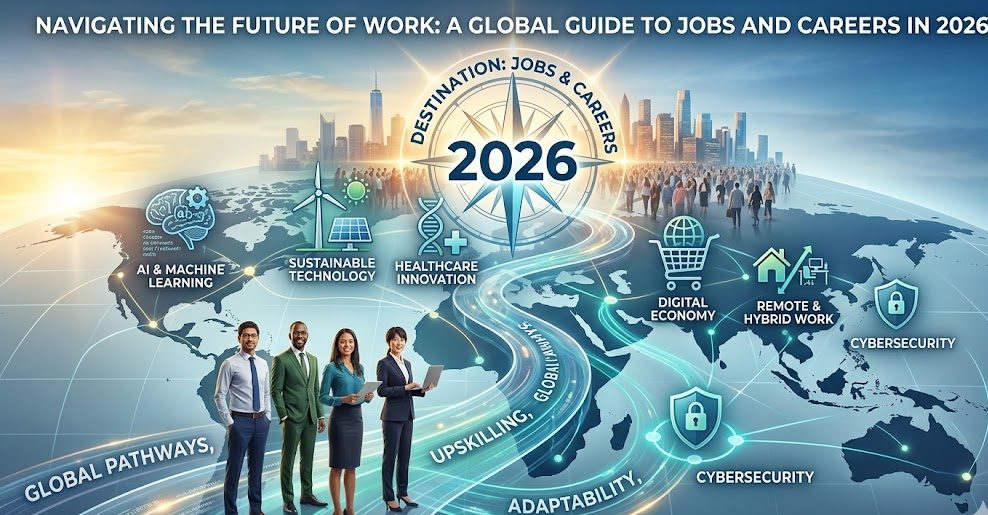
This article explores the key career trends of 2026 and provides practical guidance for students, graduates, and working professionals seeking long-term career growth.
Understanding the Modern Job Market
The global job market has undergone significant transformation in recent years. Advances in technology, remote work opportunities, and digital communication tools have changed how businesses recruit and manage talent.
Companies are no longer limited to hiring employees from a single location. Instead, organizations can recruit skilled professionals from different regions and countries. This shift has increased competition while also creating more opportunities for qualified candidates.
Job seekers today need to focus on continuous improvement and skill development to remain competitive in the workforce.
The Importance of Lifelong Learning
One of the most valuable career strategies is embracing lifelong learning. Technology and industry requirements change frequently, making it essential for professionals to update their knowledge regularly.
Online courses, certifications, workshops, and industry seminars provide excellent opportunities to learn new skills. Many employers appreciate candidates who demonstrate initiative by pursuing professional development outside traditional education.
Lifelong learning not only improves employability but also increases confidence and adaptability in a constantly evolving work environment.
In-Demand Skills for Future Careers
Several skills are becoming increasingly important across multiple industries:
1. Digital Literacy
Digital literacy involves understanding and effectively using technology in daily work activities. This includes familiarity with productivity software, cloud-based tools, data management systems, and online collaboration platforms.
Professionals with strong digital skills are often better equipped to handle modern workplace challenges.
2. Communication Skills
Effective communication remains one of the most valuable professional skills. Employees must communicate clearly with colleagues, clients, and management teams.
Strong written and verbal communication helps improve teamwork, reduce misunderstandings, and enhance productivity.
3. Problem-Solving Ability
Employers value individuals who can analyze situations, identify solutions, and make informed decisions.
Problem-solving skills demonstrate initiative and critical thinking, which are highly desirable in leadership and management roles.
4. Adaptability
Industries frequently experience changes in technology, regulations, and customer expectations. Professionals who can quickly adapt to new circumstances are more likely to succeed.
Adaptability helps employees remain productive during organizational changes and economic uncertainty.
5. Leadership Skills
Leadership is not limited to management positions. Organizations appreciate employees who take responsibility, support colleagues, and contribute positively to team objectives.
Developing leadership skills can open doors to promotions and career advancement opportunities.
The Role of Technology in Career Growth
Technology continues to influence nearly every profession. Artificial intelligence, automation, cloud computing, and data analytics are transforming workplace operations across industries.
Rather than viewing technology as a threat, professionals should consider it an opportunity. Learning how to work alongside modern technologies can increase productivity and create new career paths.
Industries such as software development, cybersecurity, digital marketing, healthcare technology, and data analysis are experiencing strong demand for skilled professionals.
Building a Strong Professional Network
Networking plays a critical role in career development. Professional relationships can provide valuable insights, mentorship opportunities, and job referrals.
Networking can be achieved through:
- Industry conferences
- Professional associations
- Online communities
- Social networking platforms
- Educational events
- Career fairs
Building genuine professional relationships often leads to opportunities that may not be publicly advertised.
Creating an Effective Resume
A well-structured resume remains one of the most important tools for job seekers.
An effective resume should:
- Highlight relevant skills and experience
- Include measurable achievements
- Use clear and professional formatting
- Be tailored to the specific position
- Avoid unnecessary information
Employers often spend only a short amount of time reviewing resumes, making clarity and relevance essential.
Preparing for Job Interviews
Interviews provide candidates with an opportunity to demonstrate their qualifications and personality.
Successful interview preparation includes:
- Researching the company
- Understanding the job requirements
- Practicing common interview questions
- Preparing examples of achievements
- Demonstrating professionalism
Confidence, honesty, and preparation can significantly improve interview performance.
Remote Work and Flexible Careers
Remote work has become increasingly common across many industries. Organizations now recognize the benefits of flexible work arrangements, including improved productivity and employee satisfaction.
Remote positions allow professionals to access opportunities beyond their local geographic area. However, remote work also requires strong time management, communication, and self-discipline skills.
Professionals who can effectively manage remote responsibilities are likely to remain highly valuable in the future workforce.
Career Planning for Long-Term Success
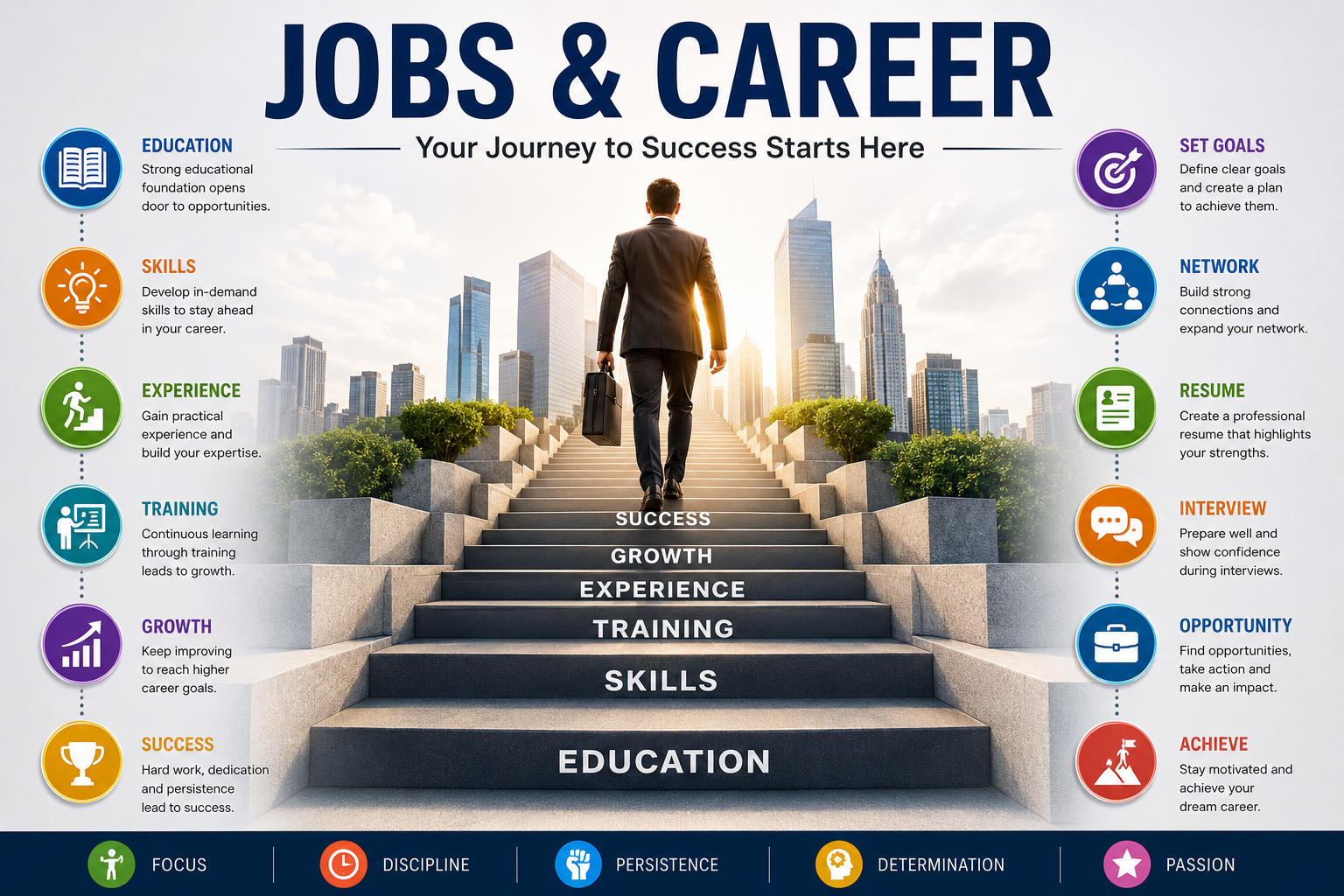
Career success rarely happens by accident. Setting clear goals helps individuals stay focused and motivated.
Effective career planning includes:
- Defining short-term objectives.
- Establishing long-term career goals.
- Identifying skill gaps.
- Pursuing relevant training.
- Monitoring industry trends.
- Reviewing progress regularly.
A structured career plan helps professionals make informed decisions and remain aligned with their ambitions.
Maintaining Work-Life Balance
While career advancement is important, maintaining a healthy work-life balance is equally essential. Excessive stress and burnout can negatively impact productivity, health, and job satisfaction.
Professionals should prioritize:
- Physical health
- Mental well-being
- Personal relationships
- Time management
- Recreation and hobbies
A balanced lifestyle supports long-term career sustainability and overall happiness.
Conclusion
The career landscape of 2026 offers exciting opportunities for individuals willing to learn, adapt, and grow. Success in the modern workplace requires a combination of technical knowledge, communication abilities, leadership qualities, and continuous professional development.
By investing in education, building valuable skills, networking effectively, and maintaining a growth mindset, professionals can position themselves for long-term success in an increasingly competitive global job market.
Whether you are a student preparing for your first job, a graduate exploring career options, or an experienced professional seeking advancement, focusing on continuous improvement will remain one of the most effective strategies for achieving your career goals.